Delta Air Lines Flight 191
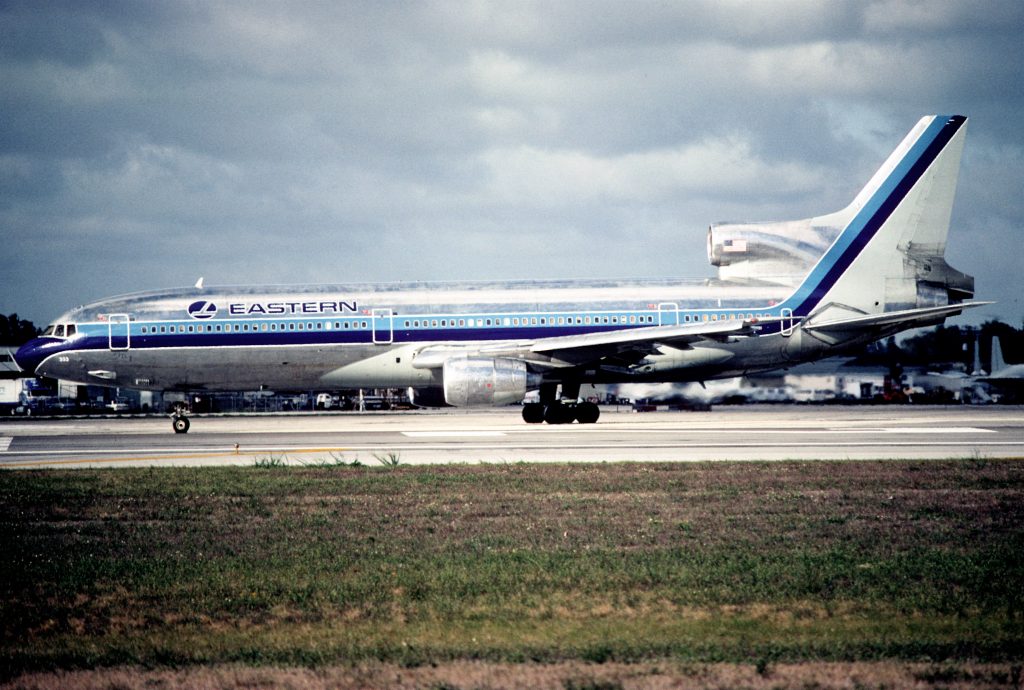
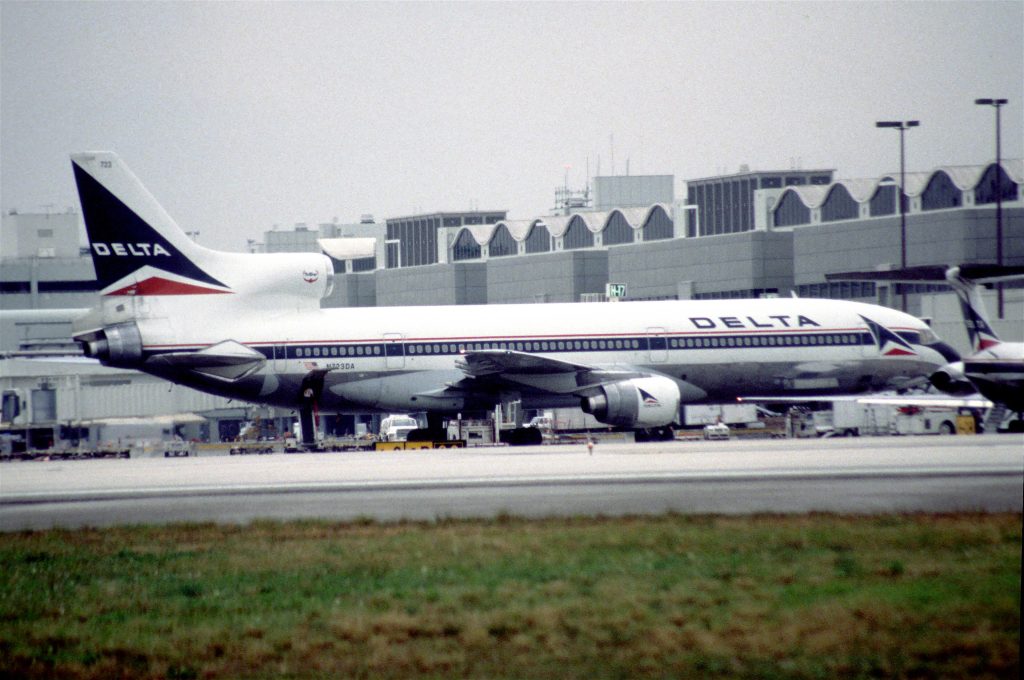
On 2 August 1985 a Delta Air Lines Lockheed L-1011 TriStar flew into a microburst beneath a thunderstorm on final approach to Dallas/Fort Worth and struck the ground about a mile short of runway 17L. Of the 163 people on board, 134 were killed and 29 survived, and the driver of a car on the highway was also killed.
The sequence of events
-
Watch this moment · 3:41
Departure from Fort Lauderdale
Flight 191, a scheduled service to Los Angeles with a stop at Dallas/Fort Worth, left Fort Lauderdale with 152 passengers and 11 crew. The forecast mentioned possible scattered thunderstorms.
-
Watch the video
17:53–18:00 CDT
A storm builds north of the airport
The radar echo off the north end of DFW grew from VIP level 1 to level 4 in about eight minutes. The weather service meteorologist was away from his station, and nobody passed the change on.
-
Watch this moment · 0:00
"Lightning coming out of that one."
On final approach with gear down and flaps 33, the first officer saw lightning in the cell ahead. The approach continued.
-
Watch the video
18:05:19 CDTapproximately
Into the microburst
Shortly after the 1,000-foot call, the aircraft entered the rain shaft. The headwind added airspeed, then the downdraft and tailwind took it away, and the first officer pitched up with near-take-off thrust.
-
Watch this moment · 9:41
Ground proximity warning
After briefly re-stabilising at 550 feet, the aircraft met rapid wind reversals. The stick shaker and "pull up" warning sounded, and the captain called for go-around power.
-
Watch the video
18:05:52 CDT
Impact short of the runway
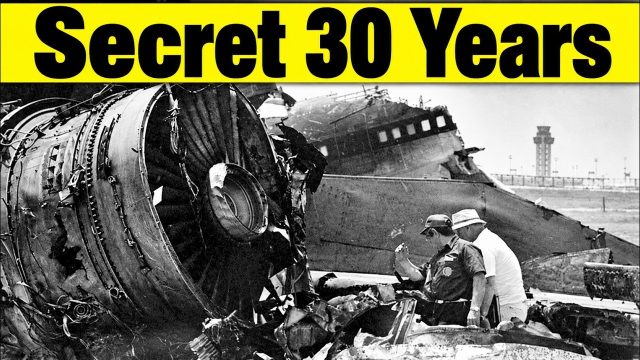
The TriStar touched down in a field about a mile and a quarter short of the runway, became airborne again, struck a car on State Highway 114 and then a water tank on airport property, and broke up in a fire.
Key facts
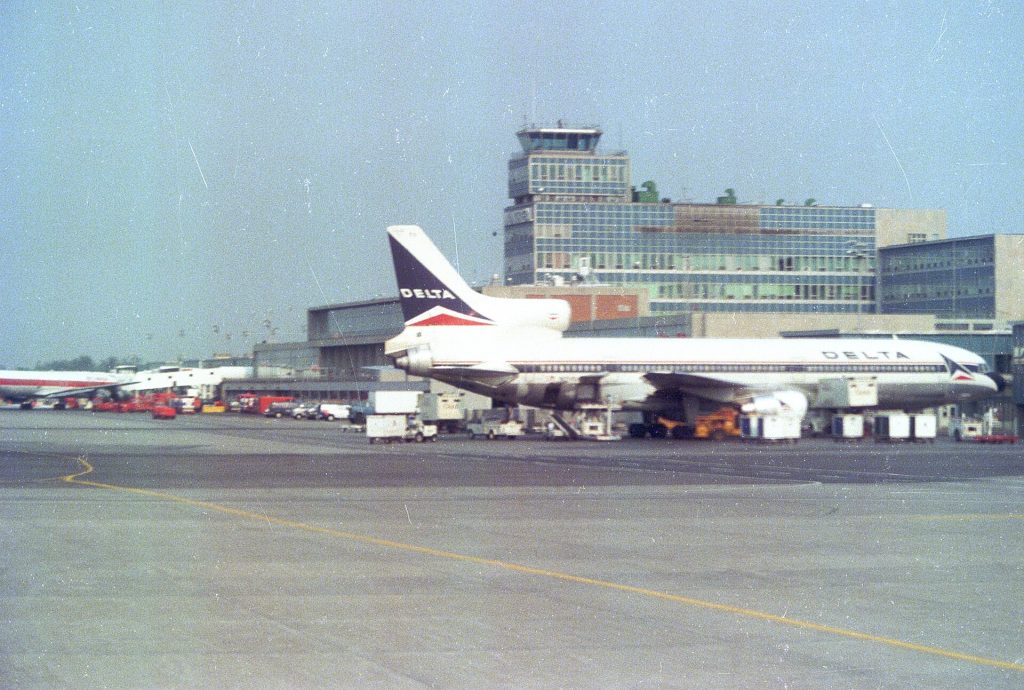
| Aircraft | Lockheed L-1011 TriStar |
|---|---|
| Aircraft variant | Lockheed L-1011-385-1 TriStar, N726DA |
| Flight number | 191 |
| People who died | 135 |
| People on board | 163 |
| Were there survivors? | Yes |
| Phase of flight | Approach |
Official finding · US National Transportation Safety Board (NTSB/AAR-86/05)
The flight crew's decision to begin and continue the approach into a cumulonimbus cloud they had seen to contain lightning, the lack of specific guidelines, procedures and training for avoiding and escaping low-altitude wind shear, and the lack of definitive real-time wind shear hazard information led to a low-altitude encounter with a microburst-induced severe wind shear.
More coverage
-
Final Approach
Delta Flight 191: What NTSB Report AAR-86/05 Found at Dallas
What changed afterwards
The accident drove terminal Doppler weather radar at major airports, predictive wind shear warnings in airborne radar and a standard wind shear escape manoeuvre in pilot training.
Questions and answers
What brought down Delta Flight 191?
A microburst, a strong column of air falling out of a thunderstorm and spreading out at the ground. An aircraft flying through one meets a headwind, then a downdraft, then a tailwind, losing airspeed and height close to the ground. The horizontal wind shear across this one was at least 73 knots.
How many people died?
The NTSB reported 134 of the 163 people on board killed, plus the driver of a car on State Highway 114, for 135 deaths at the time of the report. Some later sources, and the DFW memorial cited in one video, give a total of 137.
Who survived?
26 passengers and 3 flight attendants survived, most of them seated in the rear of the cabin. The tail section broke away and skidded clear of the fire. The NTSB found the crash was survivable only for people seated aft of row 40, in the centre and right seats.
Why didn't the airport's wind shear alarm warn the crew?
DFW had a low-level wind shear alert system based on ground anemometers. The microburst was north of the airport, outside the sensor network, so the NTSB concluded the system could not have given a timely warning.
What changed after Delta 191?
The accident drove terminal Doppler weather radar at major airports, predictive wind shear warnings in airborne radar and a standard wind shear escape manoeuvre in pilot training.
Sources: The facts and written text on this page come from the 2 videos on this page, by Disaster Breakdown, Final Approach.