Delta Flight 191: What NTSB Report AAR-86/05 Found at Dallas
The short version
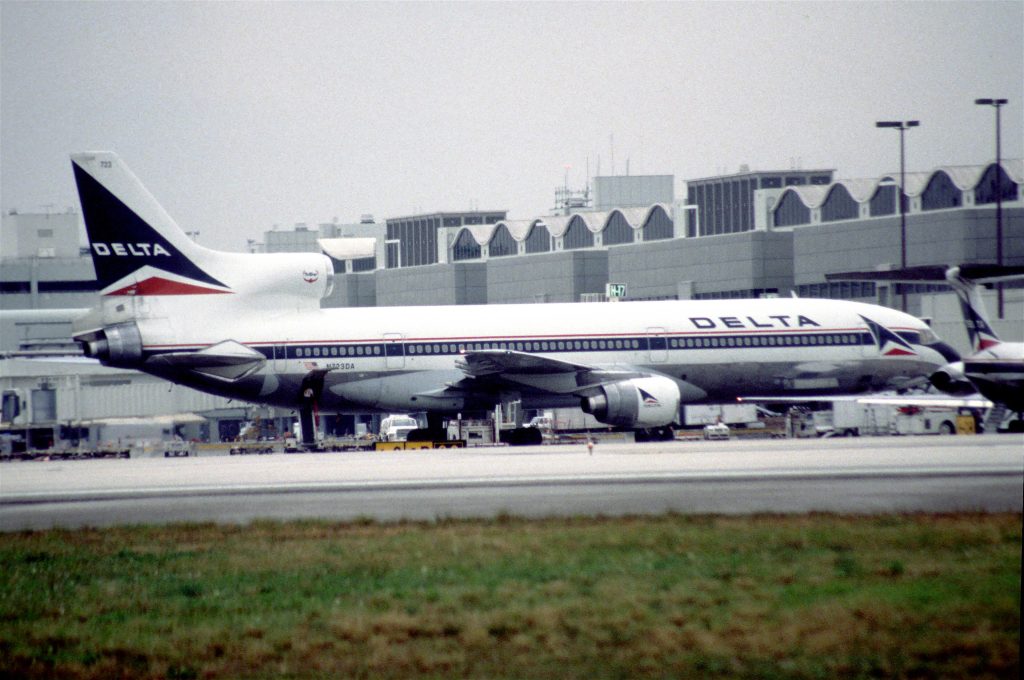
Delta Flight 191, a Lockheed L-1011, was on final approach to runway 17L at Dallas/Fort Worth on 2 August 1985 when it flew into a microburst beneath a thunderstorm. 134 of the 163 people on board were killed, along with the driver of a car on the highway. This video follows NTSB report AAR-86/05 finding by finding, quoting only the cockpit transcript printed in the report.
Full written account
This film takes one document, the NTSB's report on Delta Air Lines Flight 191, and reads it closely. Every cockpit line is quoted from the board's own transcript. Where the board could not determine something, the film says so. It opens with the first officer's words at 18:04:18, "Lightning coming out of that one", 98 seconds before the crash.
The flight and the crew
Flight 191 left Fort Lauderdale at 15:10 Eastern time with 152 passengers and 11 crew. The forecast in the dispatch package mentioned possible widely scattered thunderstorms. Captain Edward Connors, 57, had 29,300 hours, 3,000 of them on the L-1011. First Officer Rudolph Price, 42, had 6,500 hours, 1,200 on type, and was flying the approach. The second officer had 6,500 hours, 4,500 on the L-1011. None had been on duty five hours.
Weather decisions on the way in
The crew chose a more northerly route to avoid a line of weather, which cost a 10- to 15-minute hold at Texarkana. When the centre suggested a heading of 250 through "a good area", the captain declined because of a large cell on that heading. Approach control then described only "a little rain shower" north of the airport, and the first officer said, "We're going to get our airplane washed." The film notes that this line fixes what the crew believed they were flying into: a shower, not a thunderstorm.
What nobody saw
Finding 1: between 17:53 and 18:00, the radar echo off the north end of the airport grew from VIP level 1 to level 4. Finding 2: the centre weather service meteorologist was away from his station from 17:35 to 18:10, and nobody covered it. The crew also heard an American Airlines flight two ahead of them say it could not see the airport through the rain. Several other crews saw lightning north of the field and did not report it.
The microburst
The microburst's centre was 1.97 nautical miles north of the runway threshold, with a diameter of 3.4 km and horizontal wind shear of at least 73 knots. Along its southern side, where Flight 191 flew, there were six reversals of the vertical wind, a sign of vortices. At 18:05:21 the captain said, "You're going to lose it all of a sudden. There it is." The board found the first officer got through the first part of the encounter by pitching above 15 degrees nose-up with almost take-off thrust. Thrust was then reduced, and at 550 feet the aircraft briefly re-stabilised on the glide slope. The approach continued.
The last seventeen seconds
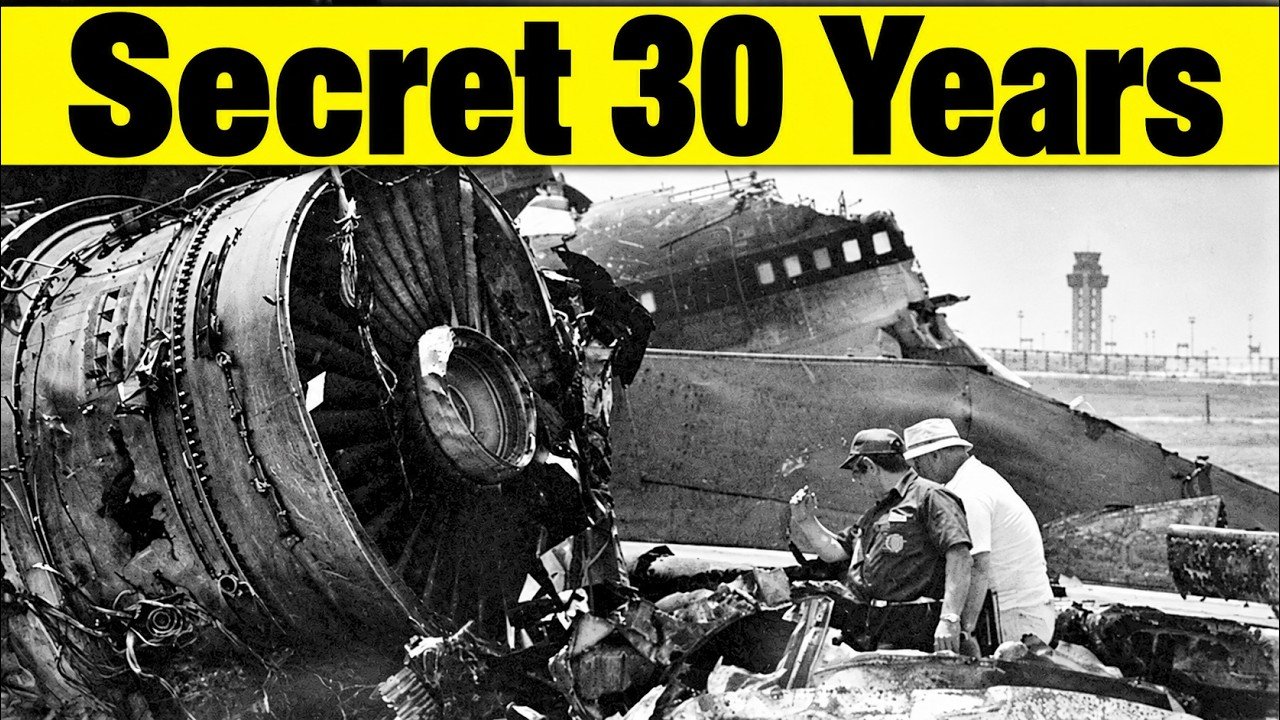
Seventeen seconds before impact came rapid reversals in the lateral, horizontal and vertical winds. The stick shaker activated, and at 18:05:44 the ground proximity warning sounded. The captain called for TOGA. The board found the flight director's go-around mode did not command the right pitch for wind shear, and it could not determine whether the first officer was following it. Finding 12 states that Delta 191 "touched down softly and almost avoided ground contact", about a mile and a quarter short of the runway. It struck a car on Highway 114, a light pole and then a water tank, and broke up. 26 passengers and 3 flight attendants survived. Finding 24: the crash was not survivable forward of row 40, although eight people from there survived.
The wind shear alarm and the probable cause
The airport's low-level wind shear alert system worked, but the microburst was outside its sensors, and the board concluded it could not have warned this crew. The board found the crew had enough information to know there was a thunderstorm between them and the airport, and that continuing did not comply with Delta's weather avoidance procedures, although those procedures did not specifically cover thunderstorms in the terminal area. No airline gave crews limits that would require a missed approach in wind shear. The probable cause named the crew's decision, the lack of wind shear guidance and training, and the lack of real-time wind shear information.
What changed
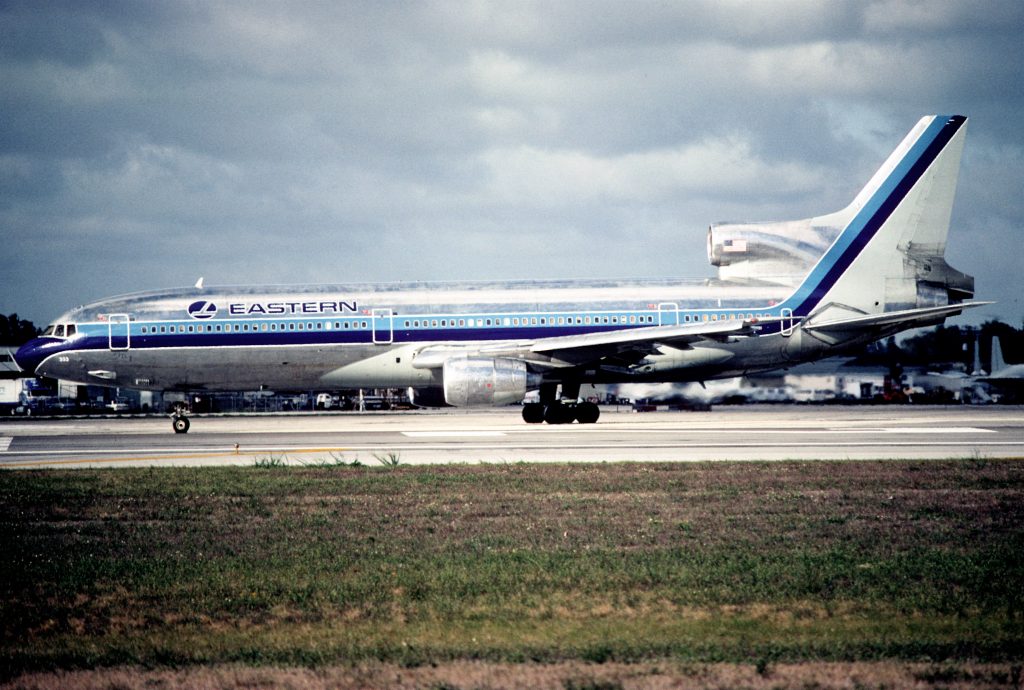
The report counted 18 wind shear accidents since 1970, seven of them fatal, killing 575 people, including Eastern Air Lines Flight 66 at JFK in 1975. Its recommendations led to terminal Doppler weather radar, predictive wind shear warnings in airborne radar and a standard escape manoeuvre with numbers in it: maximum thrust, pitch to target, accept the stick shaker intermittently and do not reduce thrust until clear.
Questions this video answers
How many people died on Delta 191?
134 of the 163 people on board were killed, along with the driver of a car on the highway.
What did the NTSB give as the probable causes?
The crew's decision to initiate and continue the approach into a cumulonimbus cloud with visible lightning, the lack of specific guidelines, procedures and training for low altitude wind shear, and the lack of definitive real-time wind shear hazard information.
Why did the airport's wind shear alert system not warn the crew?
The board concluded the LLWAS could not have provided any timely warning, given the microburst's location and that its southern outflow edge was about 2,000 ft north of the northeast sensor at first impact.
How many survived?
26 passengers and three flight attendants survived.
Explore related events
Connected by the topic: Lockheed L-1011 TriStar