Delta Flight 191: The Microburst That Downed an L-1011 at DFW
The short version
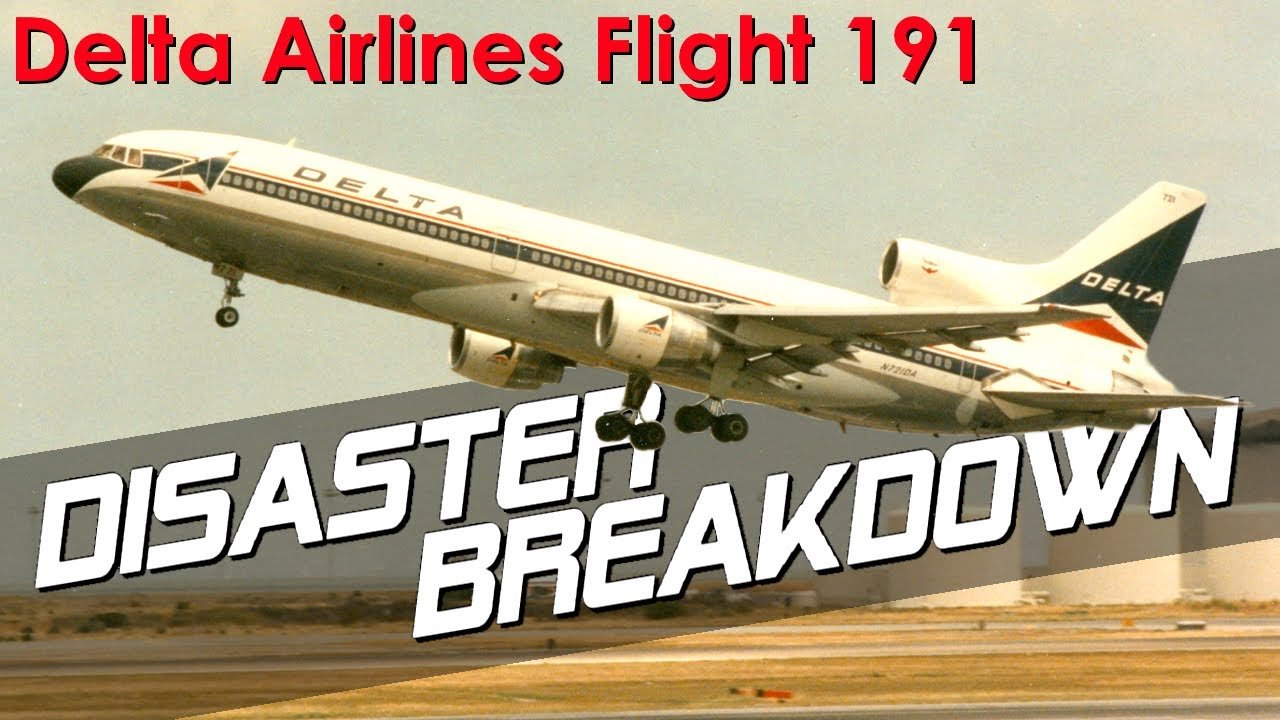
Delta Air Lines Flight 191, a Lockheed L-1011 TriStar, flew into a microburst on final approach to Dallas/Fort Worth on 2 August 1985 and landed short of the runway. It struck a car on State Highway 114 and then a water tank on airport property, and 134 of the 163 people on board died. This video explains the flight, the crew, and the three phases of a microburst.
Full written account
This video is a clear introduction to Delta Air Lines Flight 191 and to the weather that caused it. It spends about half its time explaining how a microburst affects an aircraft, which makes it the best starting point for viewers new to wind shear.
The flight and the aircraft
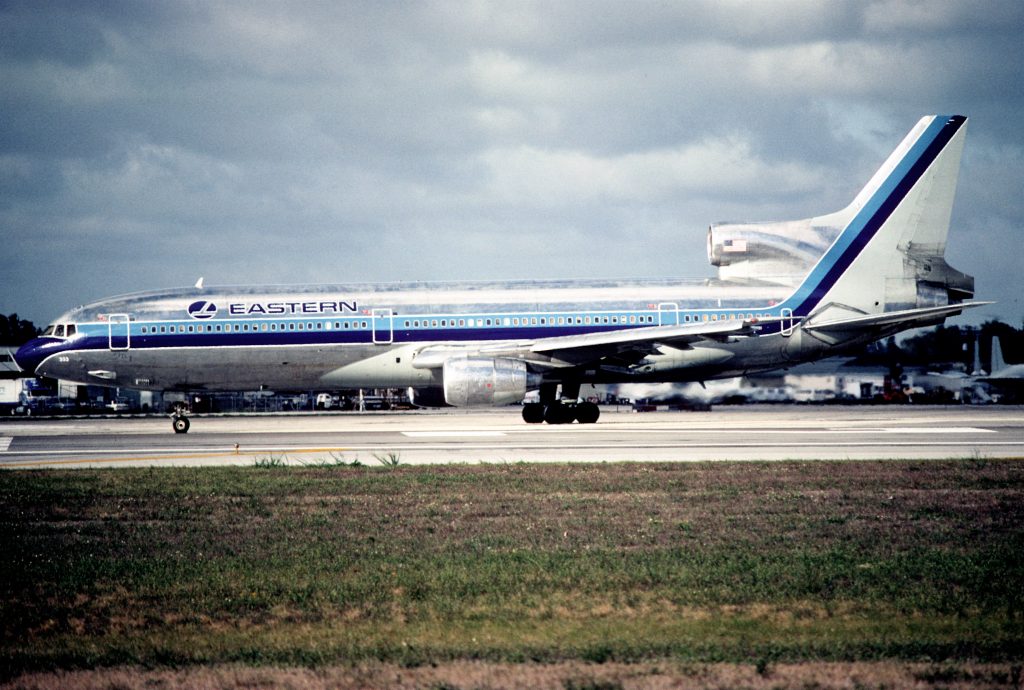
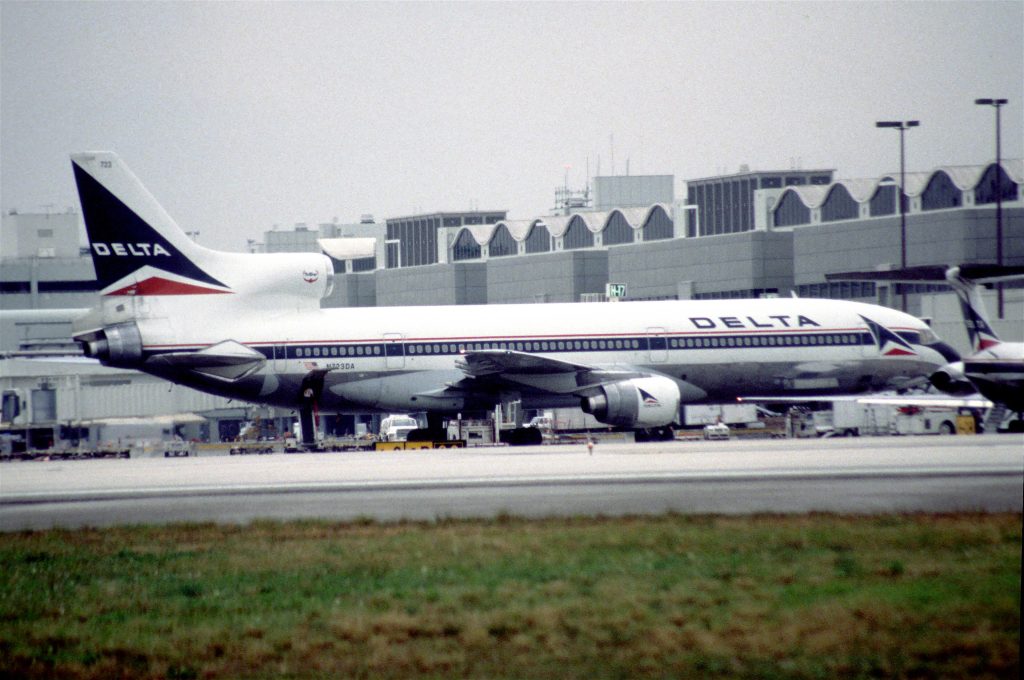
Flight 191 left Fort Lauderdale at 3:10 pm on 2 August 1985 for Los Angeles, with a stop at Dallas/Fort Worth, carrying 163 people. The aircraft was a Lockheed L-1011 TriStar, a wide-body trijet that Delta operated in larger numbers than any other airline. The video briefly recalls two earlier TriStar losses, Eastern Air Lines Flight 401 in the Everglades in 1972 and the Saudia fire at Riyadh in 1980.
The crew
Captain Edward Connors, 57, had flown for Delta for more than 30 years and had more than 29,000 hours. The accident report described him as strict about company procedures and open to suggestions from his crew. First Officer Rudolph Price, 42, was known for his knowledge of the TriStar and was flying the approach. Flight engineer Nick Nassick, 43, completed the crew. The crew had discussed the forecast of thunderstorms at Dallas before leaving.
Into Dallas
It was a hot day in Dallas, about 38 °C, with thunderstorms and rain showers. The crew asked for a heading to avoid weather on the way in, and the captain was relieved not to fly through it. A weather broadcast mentioned rain showers just north of the airport, which was exactly where the aircraft would pass in its final minute. The flight was sequenced behind an American Airlines flight and a Learjet for runway 17L, slowed to 160 knots, and the crew ran the landing checklist. During it, the first officer saw lightning in the storm cell ahead.
Three phases of a microburst
A microburst is a burst of cool, heavy air that falls from a cumulonimbus cloud and spreads out in all directions at the ground, like water from a tap hitting a sink. It is not always visible. An aircraft meets it in three phases. First comes a headwind, which raises indicated airspeed and lift. Next is the downdraft, which pushes the aircraft down and cuts its lift. Last is a tailwind, which takes away more airspeed. The investigation put the horizontal wind shear Flight 191 met at about 72 to 73 knots.
The crash
At about 6:05 pm the aircraft entered the microburst north of runway 17L. As it lost lift, the captain called for more thrust, and the engines ran at high power. In the tailwind at about 600 feet, it could not climb and touched down on grass north of the airport, left of the centreline. It skidded onto State Highway 114 at about 170 knots, and the left engine struck a Toyota Celica, killing its driver. The tower saw the aircraft off the runway and told it to go around. It then hit a large water tank on airport property and exploded. The tail section broke away. Survivors were mostly in the rear of the aircraft.
The findings
The NTSB cited the crew's decision to continue into an area with visible lightning, together with the microburst wind shear, the lack of training and procedures for avoiding and escaping wind shear, and the lack of real-time wind shear hazard information at the airport. Its recommendations led to audible wind shear warnings, research into wind-detecting radar and wind shear avoidance training. The video ends by noting that 1985 was one of the worst years in aviation history, with Japan Air Lines Flight 123 ten days later and the Manchester 737 fire ten days after that.
Questions this video answers
What caused Delta 191 to crash?
The NTSB concluded the crew's actions were in part to blame, alongside microburst-induced wind shear, because they continued the approach into an area of lightning and adverse weather.
How many people died?
137 people died: 136 on the plane and one on the ground.
How many survived?
Of the 163 passengers and crew, 27 survived, most seated at the rear.
What changed afterwards?
Recommendations included an audible wind shear warning, research into radar able to detect wind changes, and training emphasizing wind shear avoidance.
Explore related events
Connected by the topic: Lockheed L-1011 TriStar