Helios Airways Flight 522
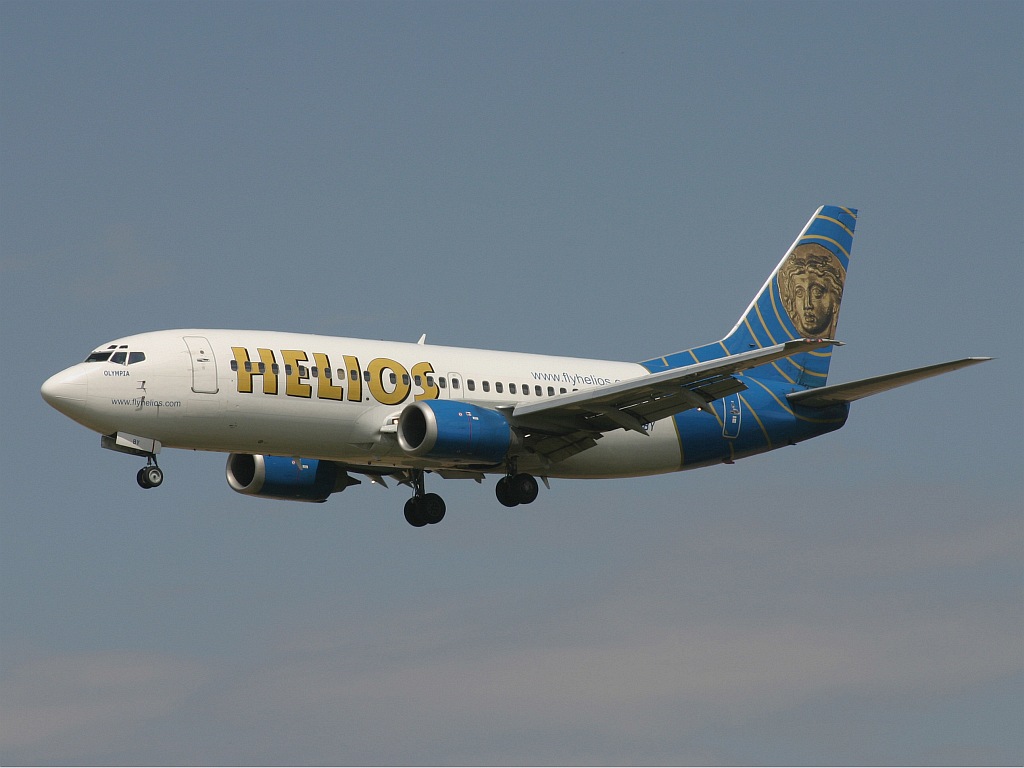
Helios Airways Flight 522, a Boeing 737-300 flying from Larnaca to Athens and Prague on 14 August 2005, never pressurised because a selector had been left in manual after overnight maintenance, and the pilots were overcome by hypoxia as the aircraft climbed on autopilot. It flew on unresponsive for almost three hours, circling near Athens until its fuel ran out, and crashed into hills near Grammatiko, killing all 121 people on board.
The sequence of events
All times local
-
09:07
Takeoff from Larnaca
With 115 passengers and 6 crew, the 737 took off with its pressurisation mode selector still in manual from a pressure test during the night. The pilots did not notice it in three checks.
-
Watch this moment · 34:12
09:12 to 09:20approximately
A misread warning
As the cabin passed 10,000 ft the warning horn sounded; the crew took it for a takeoff configuration warning. Climbing through 16,000 ft, the captain called the airline's operations centre about that warning and an equipment cooling problem. The engineer asked about the pressurisation panel, and the conversation ended at about 28,900 ft.
-
Watch this moment · 9:52
Past Athens without descending
The aircraft levelled at 34,000 ft and followed its programmed route over the KEA beacon and Athens airport, then entered the holding pattern over KEA at 10:38. Radio calls went unanswered.
-
Watch this moment · 54:32
F-16s intercept
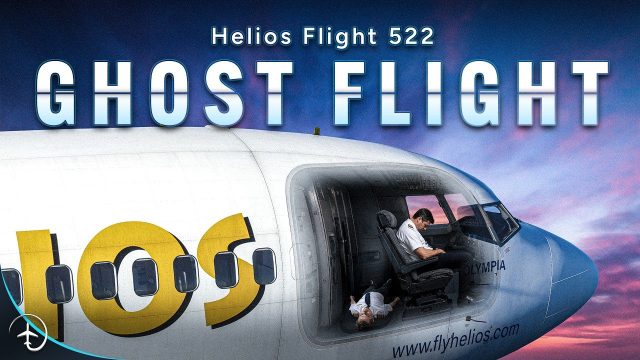
Two Hellenic Air Force F-16s reached the 737 during its sixth holding pattern. One pilot reported the captain's seat empty, the first officer slumped over the controls and oxygen masks hanging in the cabin.
-
Watch this moment · 56:51
Someone enters the cockpit
An F-16 pilot saw a person sit in the captain's seat; investigators identified him as flight attendant Andreas Prodromou, who held a commercial pilot licence. A minute later, at 11:50, the left engine flamed out from fuel exhaustion and the aircraft began to descend. Two Mayday calls were recorded at 11:54 but not transmitted.
-
Watch this moment · 14:17
Impact near Grammatiko
The right engine flamed out at about 7,100 ft at 12:00, and the aircraft struck hilly terrain three minutes later. All 121 people on board were killed.
Key facts
| Aircraft | Boeing 737 |
|---|---|
| Aircraft variant | Boeing 737-300, registration 5B-DBY |
| Flight number | 522 |
| People who died | 121 |
| People on board | 121 |
| Were there survivors? | No |
| Phase of flight | Cruise |
Official finding · Air Accident Investigation and Aviation Safety Board, Greece (AAIASB)
the crew did not recognise that the pressurisation mode selector was in manual or identify the warnings, and hypoxia incapacitated them, leaving the aircraft on autopilot until its fuel ran out; latent causes included the operator's safety culture, weak regulatory oversight and ineffective manufacturer action after earlier pressurisation incidents.
Further reading
-
When a repair or a part gave way
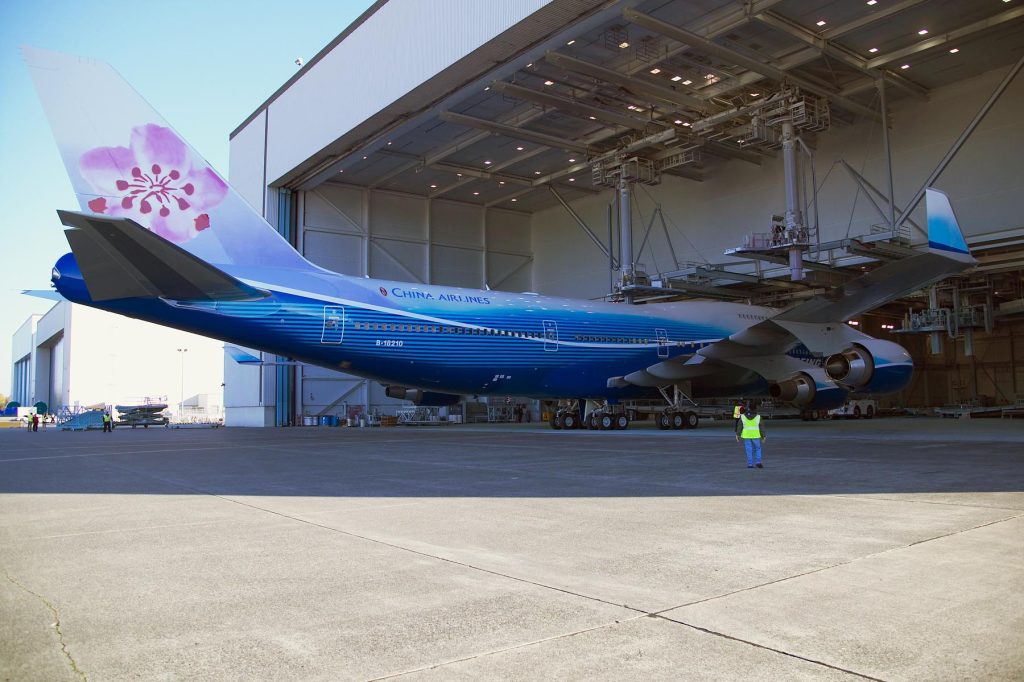
Four flights where a mistake made on the ground, or a part that was not what it should have been, surfaced in the air. Three crews got their aircraft down, but Helios Airways Flight 522 crashed north of Athens with the loss of all 121 people on board. Each investigation traced the problem to work on the ground and the checks that should have caught it.
More coverage
-
No Survivors Found
Helios Airways Flight 522: How a 737 Flew On After Crew Hypoxia
Questions and answers
What caused Helios Flight 522 to crash?
The 737 never pressurised because the pressurisation mode selector had been left in manual after a pressure test the night before. The pilots missed it in their checks, misread the cabin altitude warning, and lost consciousness from hypoxia. The aircraft flew on autopilot until it ran out of fuel.
Why did the pilots not recognise the warning?
On the 737 the cabin altitude warning used the same horn as the takeoff configuration warning, which pilots heard regularly on the ground. The crew treated it as a configuration fault and focused on an equipment cooling light instead. Hypoxia then made clear thinking increasingly difficult.
Who was at the controls at the end?
Flight attendant Andreas Prodromou, 25, who held a UK commercial pilot licence. He entered the cockpit about a minute before the first engine ran out of fuel and was seen by the F-16 pilots in the captain's seat.
Were there any survivors?
No. All 115 passengers and 6 crew were killed. It was the deadliest air accident in Greek history.
What changed after Helios 522?
Boeing made returning the selector to auto an explicit step after pressurisation tests, crews were trained to treat a cabin altitude horn in flight as an immediate oxygen and descent emergency, and the FAA required separate warning lights so pilots can tell the two horn alerts apart.
Sources: The facts and written text on this page come from the 3 videos on this page, by Mayday: Air Disaster, Mentour Pilot, No Survivors Found.