Eastern Air Lines Flight 855
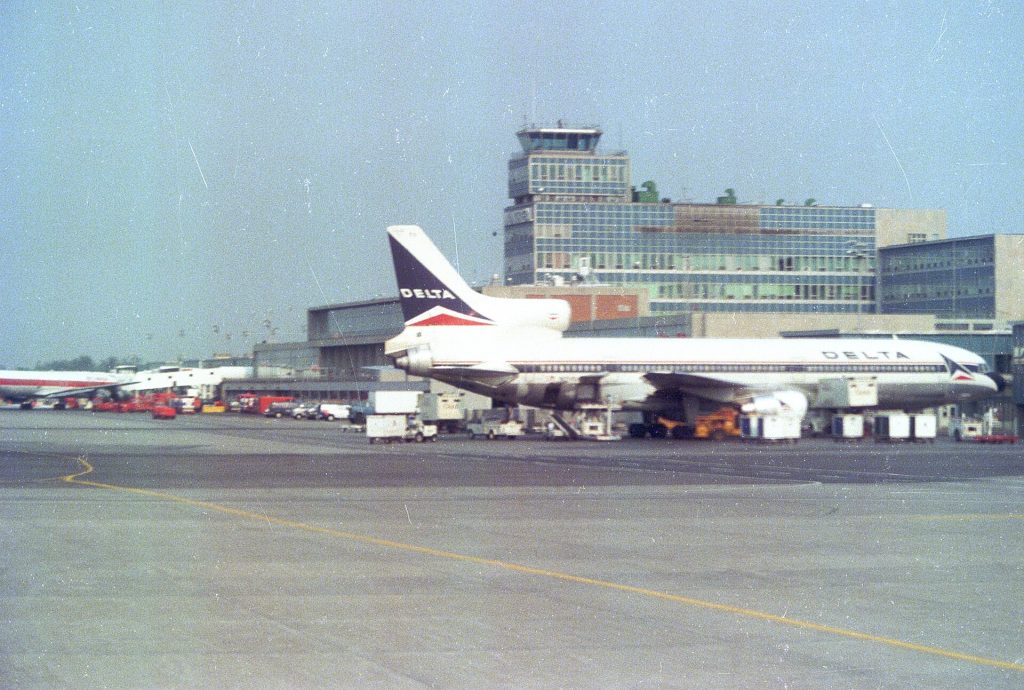
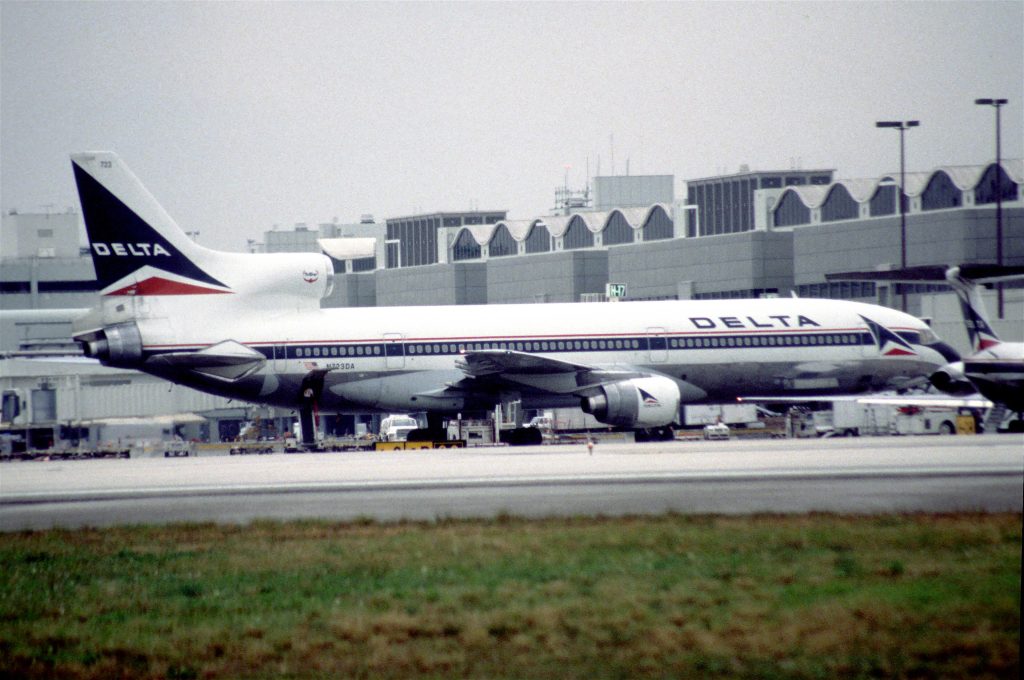
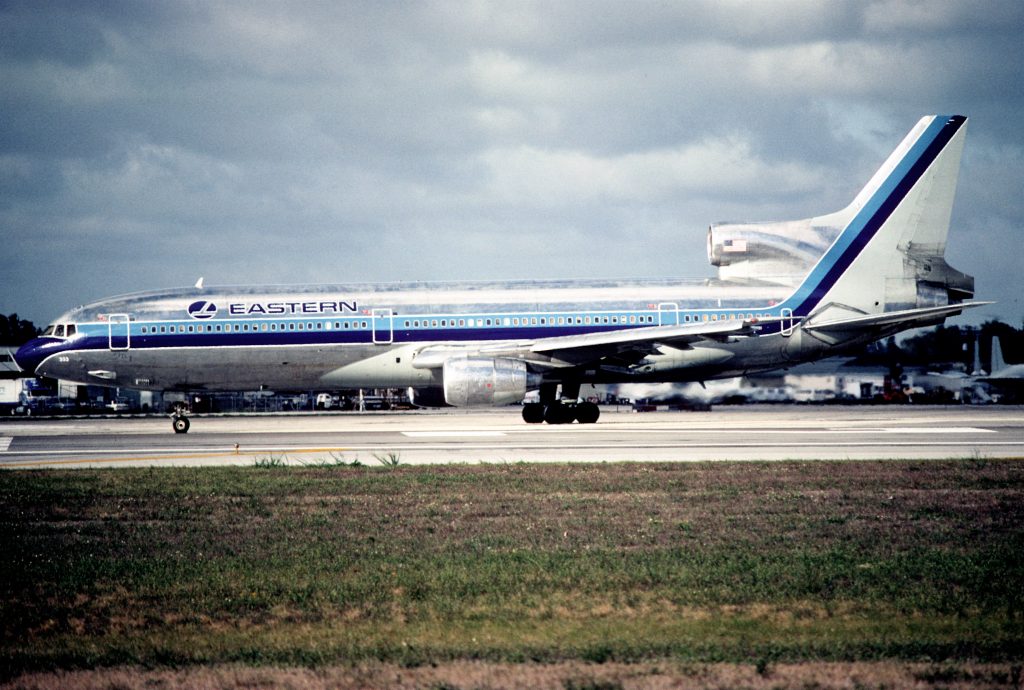
On 5 May 1983 all three engines of an Eastern Air Lines Lockheed L-1011 lost their oil on a flight from Miami to Nassau, because mechanics had fitted the engines' chip detectors without their O-ring seals. The crew restarted one engine at about 4,000 feet after a powerless descent over the sea and landed back at Miami, and all 172 people on board were unhurt.
The sequence of events
-
Watch this moment · 39:19
Departure from Miami
Flight 855 left runway 27R for Nassau, a scheduled 37 minutes, with 162 passengers and 10 crew. A new L-1011 captain was flying under supervision, with a check captain in the right seat.
-
Watch this moment · 14:37
Engine 2 low oil pressure
Descending through 15,000 feet toward Nassau, the low oil pressure light came on for the tail-mounted No. 2 engine. The crew shut it down and turned back for Miami.
-
Watch this moment · 14:37
Between 09:15 and 09:28 EDTapproximately
Lights on engines 1 and 3
Climbing back toward Miami, the crew saw the low oil pressure lights come on for both wing engines, and the gauges read zero. They suspected an electrical fault.
-
Watch the video
09:28 EDT
Engine 3 fails
At 16,000 feet the No. 3 engine flamed out with a loud bang. The airplane began a slow descent on its one remaining engine while the crew tried to restart No. 2.
-
Watch this moment · 29:03
Engine 1 fails
The last running engine stopped. The airplane descended without power from about 13,000 feet, and the cabin crew prepared passengers to ditch.
-
Watch this moment · 34:04
Between 09:33 and 09:46 EDTapproximately
Engine 2 restarts
At about 4,000 feet, using the starter and air from the auxiliary power unit, the crew restarted the No. 2 engine, which still had some oil left.
- Watch this moment · 39:19
Key facts
| Aircraft | Lockheed L-1011 TriStar |
|---|---|
| Aircraft variant | Lockheed L-1011 TriStar, N334EA |
| Flight number | 855 |
| People who died | 0 |
| People on board | 172 |
| Were there survivors? | Yes |
| Phase of flight | Approach |
Official finding · US National Transportation Safety Board (NTSB/AAR-84/04)
The omission of all the O-ring seals on the master chip detector assemblies led to loss of lubrication and damage to all three engines, because mechanics failed to follow established procedures for installing them.
Further reading
-
When a repair or a part gave way
Four flights where a mistake made on the ground, or a part that was not what it should have been, surfaced in the air. Three crews got their aircraft down, but Helios Airways Flight 522 crashed north of Athens with the loss of all 121 people on board. Each investigation traced the problem to work on the ground and the checks that should have caught it.
What changed afterwards
Eastern changed its procedures so that chip detectors are fitted with their O-rings, made a training video on the correct installation, required engines to run for at least 30 seconds after such work to reveal leaks, and revised its emergency checklists to improve communication between the flight deck and the cabin.
Questions and answers
Why did all three engines on Eastern Flight 855 lose oil?
Overnight before the flight, mechanics replaced the magnetic chip detectors in all three engines. The detectors they used had no O-ring seals, so oil leaked out of each engine once it was running. The short engine runs after the work, about 10 seconds each, were too brief to show the leaks.
How did the crew get the aircraft back to Miami?
The No. 2 engine had been shut down early, while it still had some oil. After the other two engines seized, the crew restarted No. 2 at about 4,000 feet using the starter and air from the auxiliary power unit, and flew to Miami on that one engine.
Were the passengers hurt?
No. All 162 passengers and 10 crew were uninjured. Passengers were in the brace position for about ten minutes, expecting to ditch, before the crew told them an engine had restarted.
What changed afterwards?
Eastern changed its procedures so that chip detectors are fitted with their O-rings, made a training video on the correct installation, required engines to run for at least 30 seconds after such work to reveal leaks, and revised its emergency checklists to improve communication between the flight deck and the cabin.
Sources: The facts and written text on this page come from the 1 video on this page, by Green Dot Aviation.