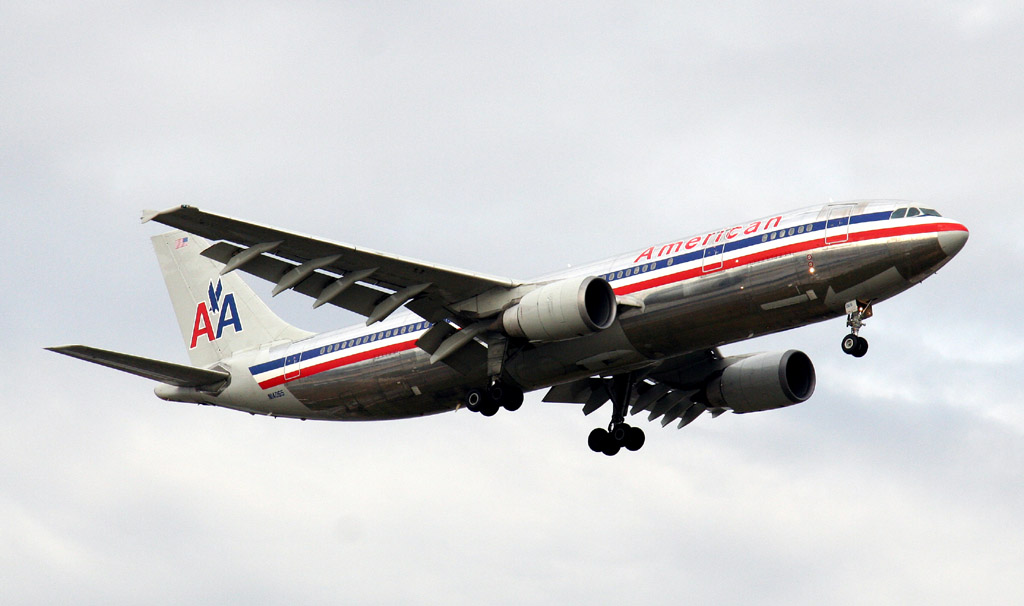
Air Transat Flight 236
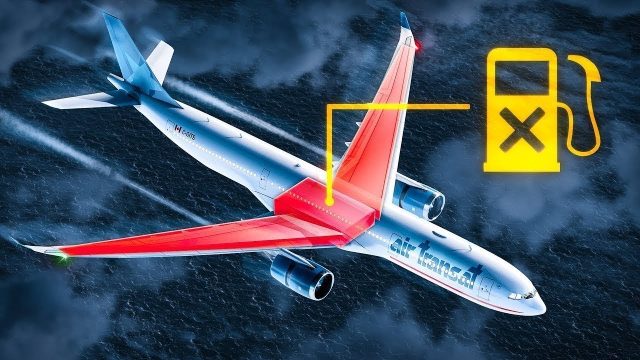
On 24 August 2001 an Air Transat Airbus A330 flying from Toronto to Lisbon lost all its fuel over the Atlantic through a leak in its right engine, and both engines stopped. The crew glided it to Lajes in the Azores and landed, and all 306 people on board survived.
The sequence of events
All times local
-
Watch this moment · 4:10
Evening of 23 August (Toronto time)
Departure for Lisbon
Flight 236 left Toronto Pearson with 293 passengers and 13 crew and about 47 tonnes of fuel, more than the legal minimum.
-
Watch this moment · 7:07
Several hours into the flightapproximately
Unusual oil readings
Over the mid-Atlantic, the right engine showed low oil temperature and high oil pressure. Neither the crew nor maintenance control could explain it.
-
Watch this moment · 7:28
20 minutes laterapproximately
A fuel imbalance
A fuel imbalance advisory showed less fuel on the right than the left. The crew opened the crossfeed from memory, without the checklist, and fuel from the left tanks began flowing out through the leak.
-
Watch the video
Shortly afterwardsapproximately
Diversion to Lajes
The crew found the fuel remaining was too low to reach Lisbon and turned for Lajes on Terceira. A cabin crew check of the wings in the dark found nothing.
-
Watch this moment · 13:12
The right engine flames out
At 39,000 feet and about 150 nautical miles from Lajes, the right engine ran out of fuel. The crew declared a Mayday.
-
Watch this moment · 14:19
06:26approximately
The left engine flames out
Thirteen minutes later, about 120 km from the airport, the left engine stopped too. A ram air turbine supplied basic power, and the cabin prepared for a possible ditching.
-
Watch this moment · 35:28
06:45approximately
Landing at Lajes
Too high on arrival, Captain Robert Piché flew a 360-degree turn and S-turns to lose height, then landed fast on runway 33. Eight of the 12 tyres burst, and everyone was evacuated in about 90 seconds.
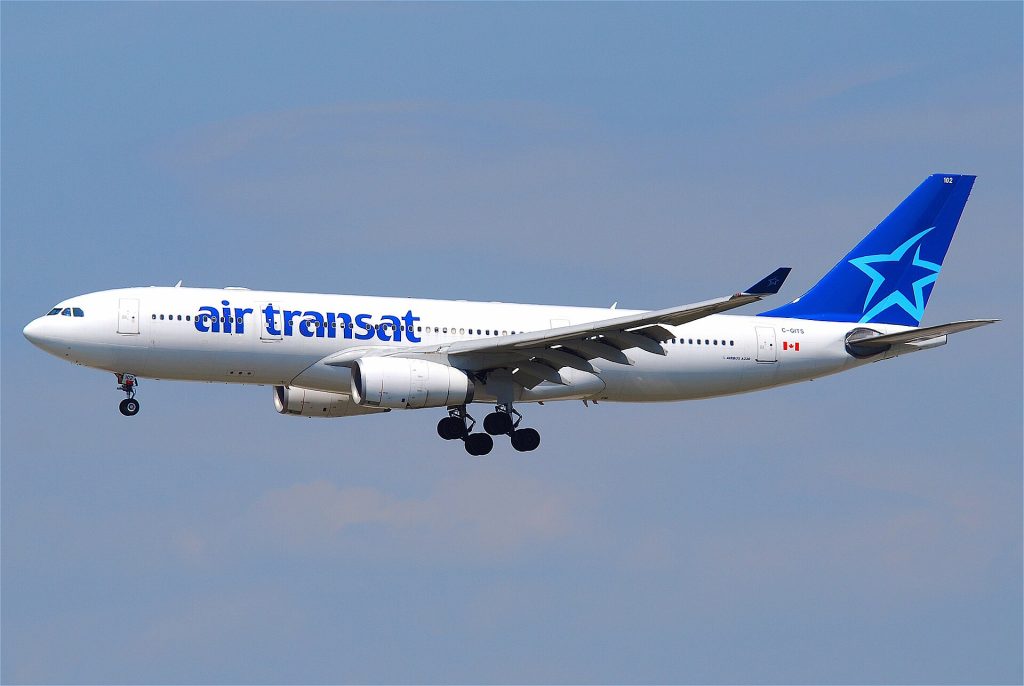
Key facts
| Aircraft | Airbus A330 |
|---|---|
| Aircraft variant | Airbus A330-243, C-GITS |
| Flight number | 236 |
| People who died | 0 |
| People on board | 306 |
| Were there survivors? | Yes |
| Phase of flight | Cruise |
Official finding · GPIAA, Portugal, with the Transportation Safety Board of Canada, 2004
An incorrect part combination fitted during an engine change let a hydraulic line chafe through the right engine's fuel line, and the leak went undetected by the crew, whose crossfeed action sent the remaining fuel out through it.
Further reading
-
When a repair or a part gave way
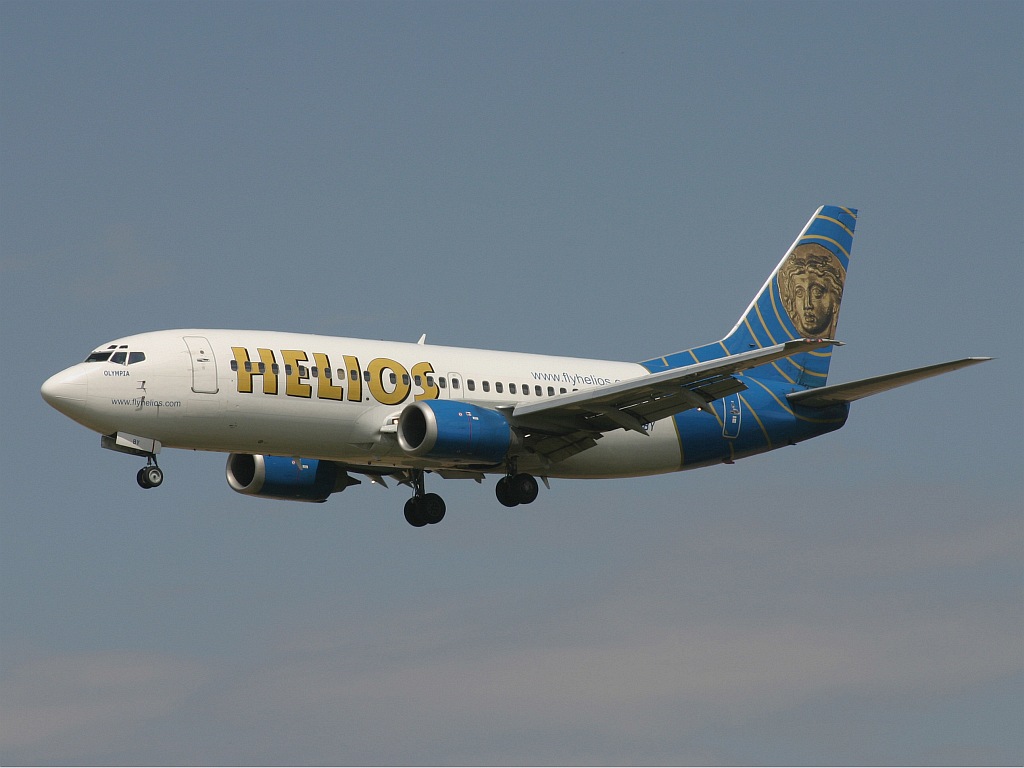
Four flights where a mistake made on the ground, or a part that was not what it should have been, surfaced in the air. Three crews got their aircraft down, but Helios Airways Flight 522 crashed north of Athens with the loss of all 121 people on board. Each investigation traced the problem to work on the ground and the checks that should have caught it.
-
When the pilots saved the plane
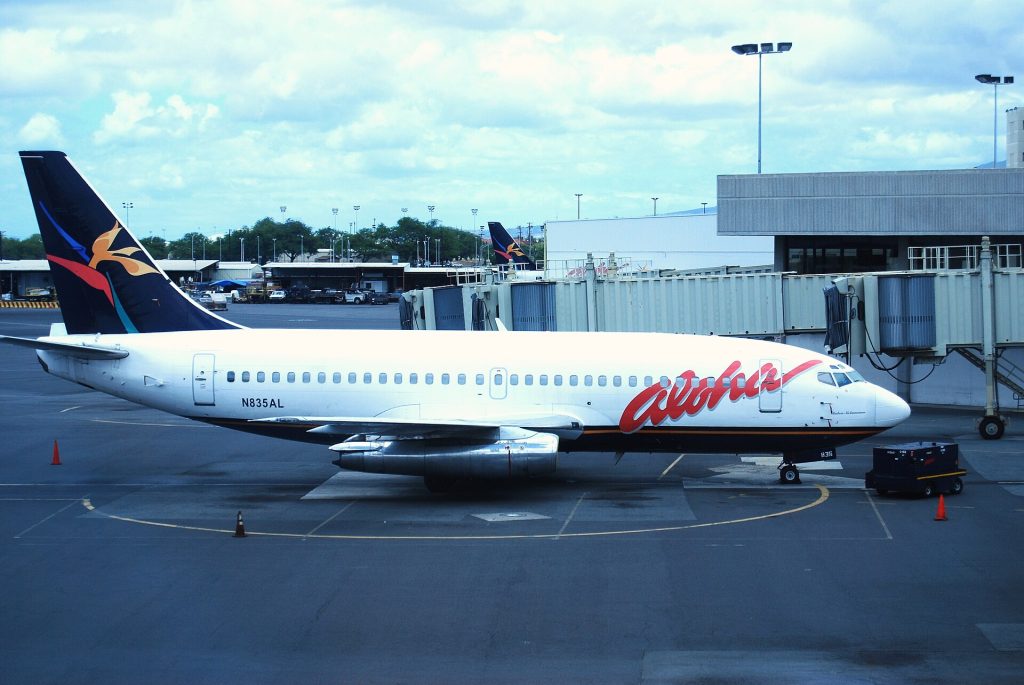
Four documentaries about crews who kept a failing airliner flying long enough to land it. They cover two fuel emergencies, a jammed elevator and a fuselage torn open in flight, and the investigations that followed. Everyone on the first three flights survived, and 94 of the 95 people on Aloha Flight 243 lived.
More coverage
-
Air Crash Investigation
Air Transat Flight 236: How a Fuel Leak Stopped Both Engines
What changed afterwards
Airbus added a warning that compares the fuel on board with the flight plan and alerts the crew to abnormal fuel loss. Training placed more emphasis on fuel leaks and non-normal checklists. Rolls-Royce reissued a service bulletin on the incompatible parts, and Air Transat was fined C$250,000.
Questions and answers
Why did Air Transat Flight 236 run out of fuel?
Days before the flight, mechanics fitting a replacement right engine used a hydraulic pump fitting from the old engine that did not match the new one. A hydraulic line rubbed against a fuel line until the fuel line split. The final report estimated the leak at 12 to 15 tonnes an hour, against normal consumption of about 2.6 tonnes an hour per engine.
How far did the A330 glide?
The second engine stopped about 120 km from Lajes. The aircraft glided the rest of the way with no engine power, which was then the longest glide by a passenger airliner.
Was anyone hurt?
All 293 passengers and 13 crew survived. The landing was hard and fast, with no flaps, spoilers or reverse thrust, and eight of the twelve tyres burst. Fires in the left main wheels were put out by fire crews already standing by.
Why did the crew not recognise the leak?
The final report found they had not been trained for fuel leaks that show up as an imbalance, and they believed the readings were a computer fault. They did not use the fuel imbalance checklist, which warns against crossfeeding if a leak is suspected.
What changed afterwards?
Airbus added a warning that compares the fuel on board with the flight plan and alerts the crew to abnormal fuel loss. Training placed more emphasis on fuel leaks and non-normal checklists. Rolls-Royce reissued a service bulletin on the incompatible parts, and Air Transat was fined C$250,000.
Sources: The facts and written text on this page come from the 2 videos on this page, by Wonder, Air Crash Investigation.