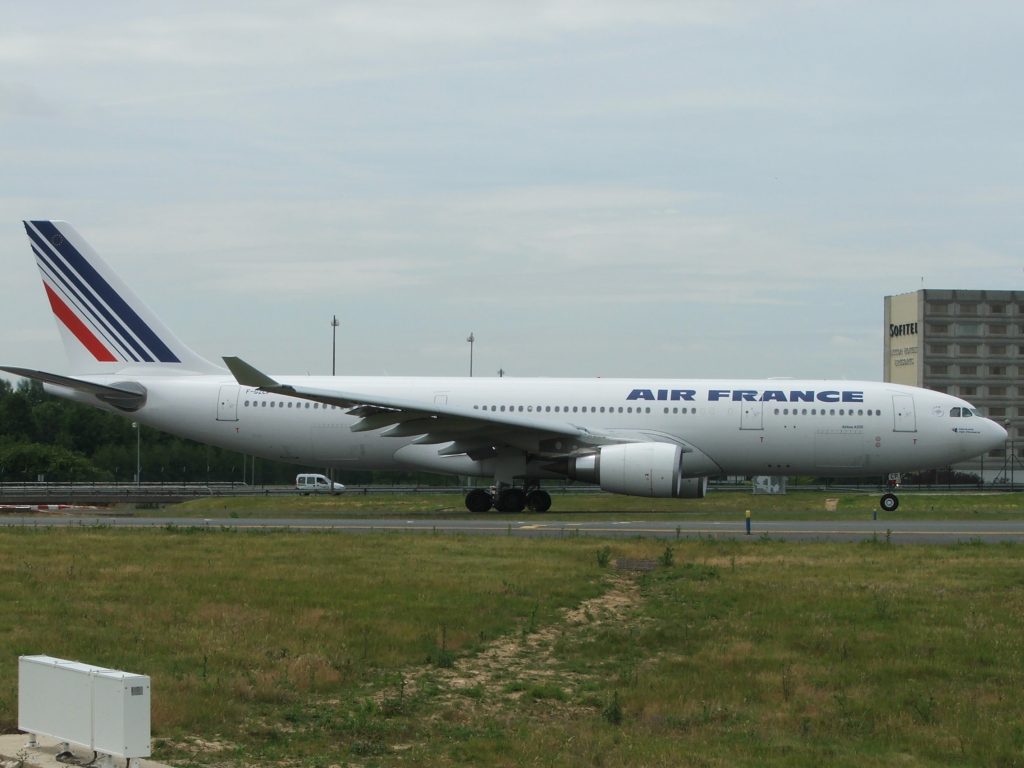
Air Transat Flight 236: Fuel Leak, Glide and Lajes Landing
The short version
This Mayday episode reconstructs Air Transat Flight 236, an Airbus A330 with 306 people on board that ran out of fuel over the Atlantic on 24 August 2001. It follows the crew from the first oil warning to the landing at Lajes, then the investigation into the mismatched engine parts. It was made before the final report was published, so its account of the cockpit is a reconstruction.
Full written account
This episode tells the story of Air Transat Flight 236 through passengers' accounts and expert commentary. It was made before the Portuguese investigation was published, and the crew, the airline and the investigators all declined to be interviewed. The episode says plainly that its cockpit scenes are reconstructed from known facts, standard procedures and expert opinion. Treat the dialogue as illustration, not record.
A routine crossing
The A330 left Toronto for Lisbon with 306 people on board, many of them Canadians on holiday and Portuguese families going home. Air traffic control moved the route about 60 miles south to avoid congestion. The episode notes that this small change later put the aircraft within reach of the Azores. For about five hours the fuel checks were normal.
Warnings that made no sense
The right engine showed low oil temperature and high oil pressure. A pilot interviewed for the episode says this combination is unusual and can mean fuel in the oil. Air Transat's maintenance control in Montreal had no explanation. Twenty minutes later a fuel imbalance warning appeared. The crew opened the crossfeed valve to balance the tanks, unaware that the right engine was leaking. The situation did not correct itself.
Diverting to Lajes
When the first officer worked out the fuel remaining, it was far below plan. Flight attendants checked the wings with torches but could see nothing in the dark. The crew turned for Lajes, a military base on Terceira, and declared a fuel emergency. At 06:13 the right engine ran out of fuel. Thirteen minutes later the left engine failed too, and the crew sent a Mayday: both engines lost to fuel starvation.
Gliding toward a ditching
With no engines, a ram air turbine gave the crew limited power for the instruments and controls. The cabin depressurised slowly, and the cabin crew told passengers to put on life jackets and prepare to ditch. Passengers describe the silence and the fear. An expert explains why a wide-body airliner with a low tail is unlikely to survive a ditching intact. The episode also recalls the 1996 Ethiopian Airlines 767 that ditched off the Comoros. The episode's line that the aircraft had to glide "for more than 50 minutes" is not correct: the glide lasted roughly 19 to 20 minutes.
The landing
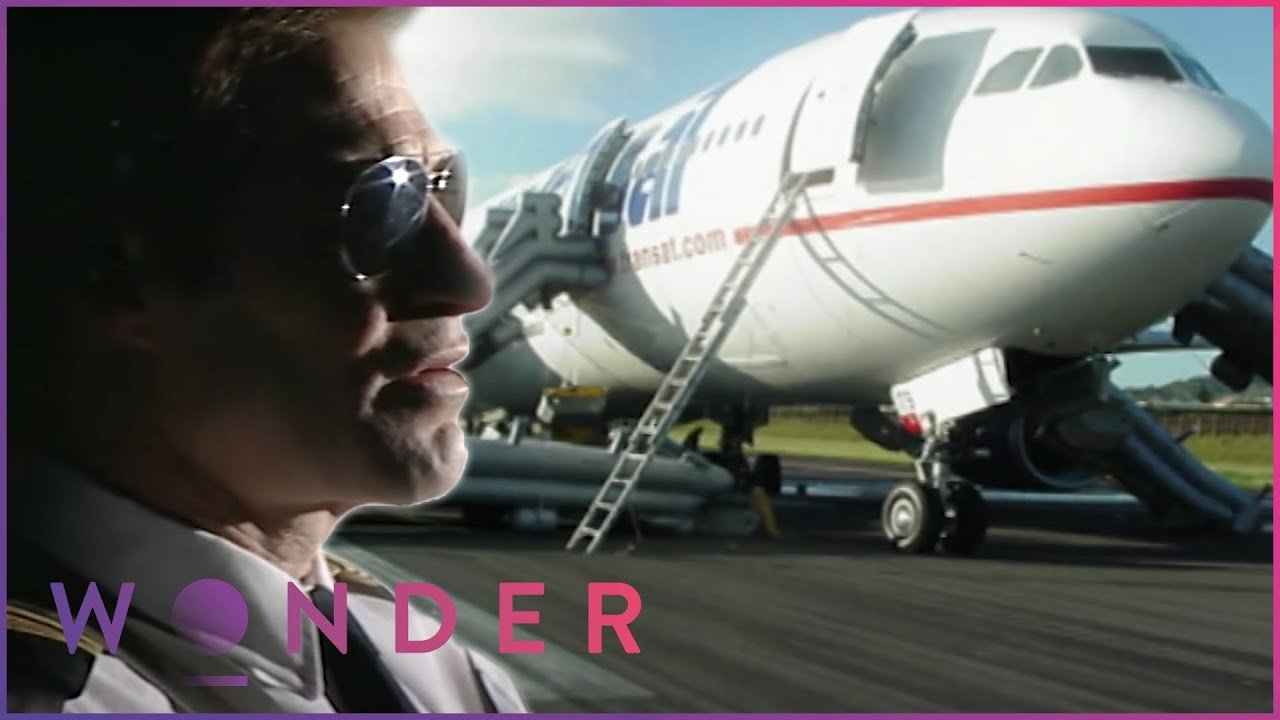
Arriving too high and too fast, Captain Robert Piché flew a series of turns to lose height, with the slats out and the gear lowered by gravity. With no flaps, the touchdown was fast, and there were no spoilers or reverse thrust. Eight tyres burst, and the aircraft stopped on the runway. Passengers describe running down the slides.
The investigation
Investigators found a small hydraulic line rubbing against a larger fuel line beside the right engine, which had eventually opened a hole. The maintenance records showed the engine had been replaced days earlier with a unit supplied by Rolls-Royce without a hydraulic pump assembly. Mechanics fitted parts from the older engine, and the pipes were left too close together. The episode reports that the chief mechanic had raised concerns and was told waiting for the correct parts would cost too much. Air Transat accepted responsibility and was fined C$250,000. Airbus later added a fuel-loss warning, and Rolls-Royce reissued its service bulletin on the two near-identical parts.
Questions this video answers
Did anyone die on Air Transat Flight 236?
The video describes all 306 people aboard as surviving the landing.
What caused the fuel leak?
A hydraulic tube on the replacement right engine rubbed against a fuel tube until it fractured. Mechanics had used parts from an older engine that did not fit properly.
Why did the crew not recognize the leak earlier?
They believed the warnings were computer errors, and there was no warning that fuel was being lost faster than the engines used it.
Where did the plane land?
At Lajes military air base on the island of Terceira in the Azores.
What happened afterward?
Air Transat accepted responsibility and was fined a quarter of a million dollars, and Airbus modified its fuel imbalance checklist.
Explore related events
Connected by the topic: Airbus A330