American Airlines Flight 587
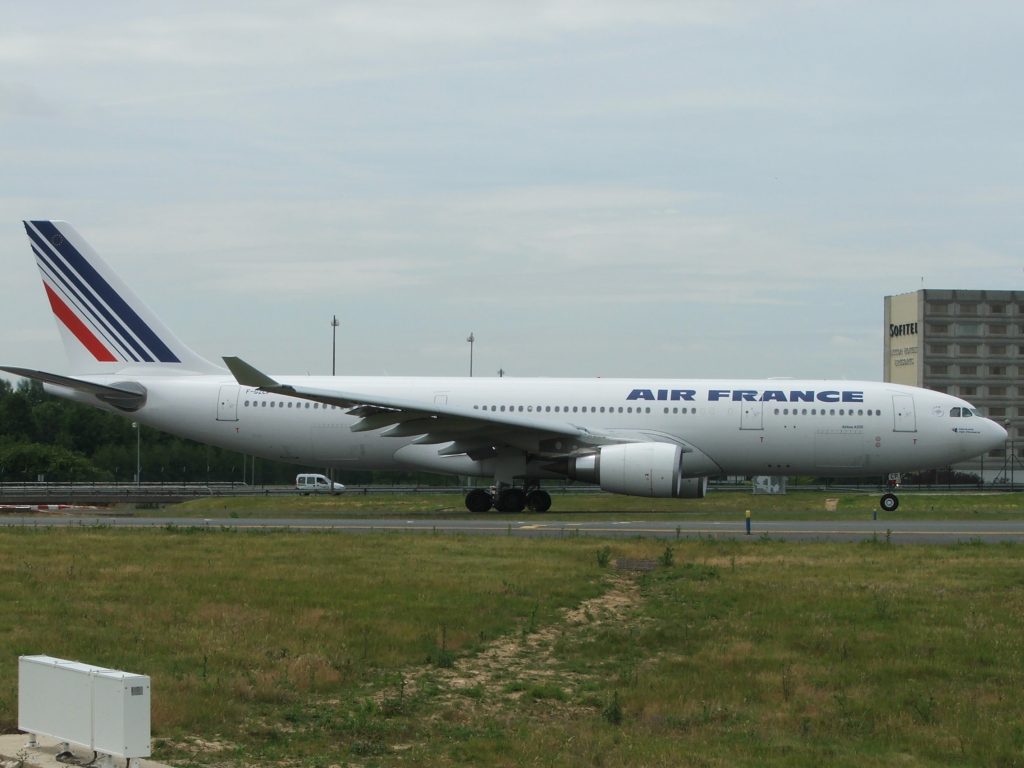
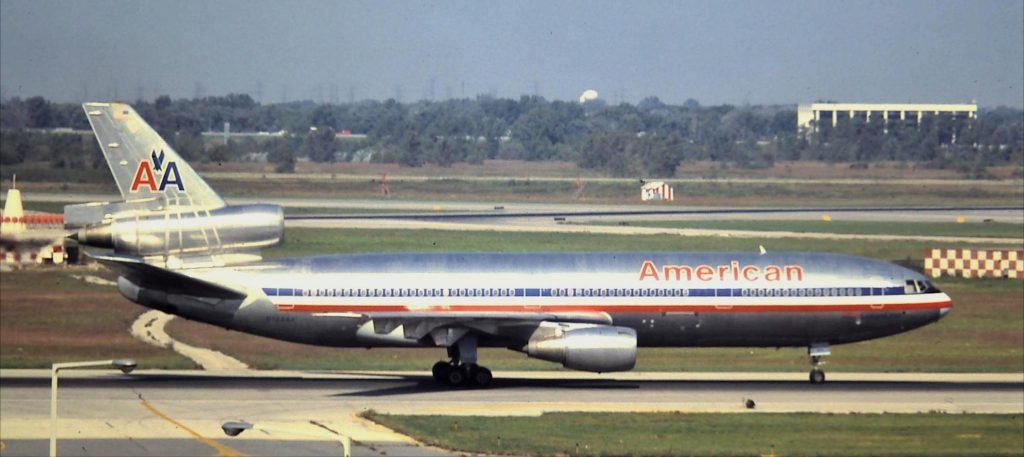
On 12 November 2001 an American Airlines Airbus A300 bound for Santo Domingo lost its vertical stabilizer about 90 seconds after taking off from New York's JFK airport, when the first officer made repeated full rudder inputs in wake turbulence. It crashed into Belle Harbor, Queens, killing all 260 people on board and 5 people on the ground.
The sequence of events
All times local
-
Watch this moment · 1:38
Take-off behind a 747
Flight 587 lifted off from runway 31L at JFK about 1 minute 40 seconds after Japan Air Lines flight 47, a Boeing 747-400. The controller had given a wake turbulence caution, and the spacing met FAA requirements.
-
Watch this moment · 0:00
09:15:36approximately
First wake encounter
Climbing through about 1,700 feet in a left turn, the aircraft met the 747's wake. The captain remarked, "little wake turbulence, huh?"
-
Watch this moment · 3:12
09:15:51approximately
Second encounter and rudder reversals
In a second, similar encounter, the first officer swung the control wheel to its stops and pushed the rudder pedals from one side to the other several times in about six and a half seconds.
-
Watch this moment · 3:38
The fin breaks away
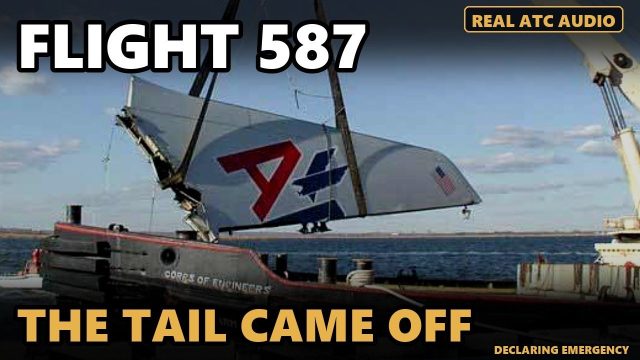
With large sideslip built up by the rudder inputs, the vertical stabilizer's attachment fittings failed under loads beyond its ultimate design load. The fin and rudder fell into Jamaica Bay.
-
Watch this moment · 5:17
Crash in Belle Harbor
Uncontrollable without its fin, the aircraft lost both engines in flight and struck a residential street in Belle Harbor. All 260 on board and 5 people on the ground were killed.
Key facts
| Aircraft | Airbus A300 |
|---|---|
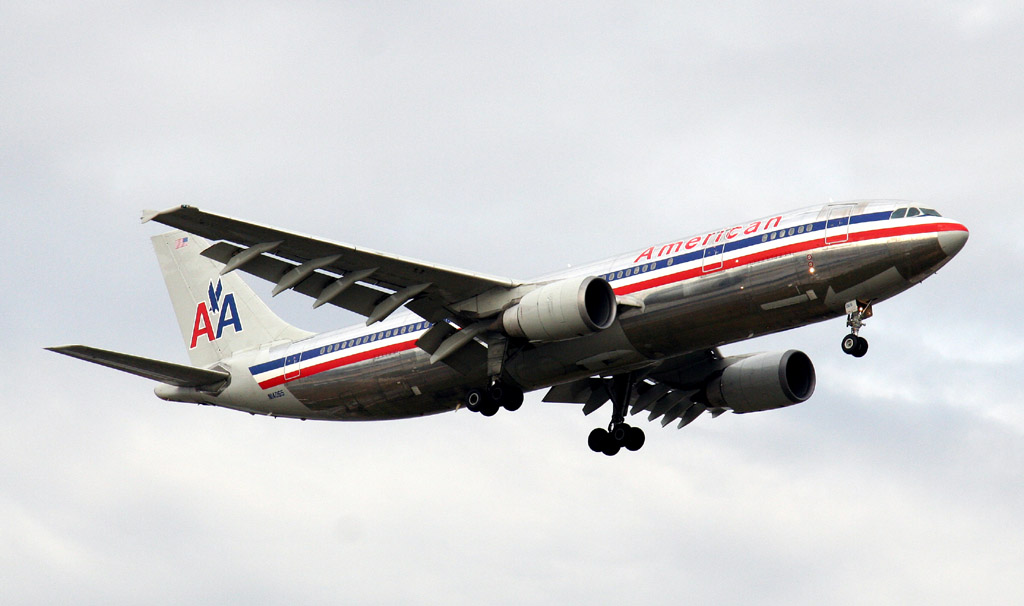
| Aircraft variant | Airbus A300-605R, N14053 |
| Flight number | 587 |
| People who died | 260 |
| People on board | 260 |
| Were there survivors? | No |
| Phase of flight | Takeoff |
Official finding · US National Transportation Safety Board (NTSB/AAR-04/04), 2004
The in-flight separation of the vertical stabilizer as a result of loads beyond ultimate design that were created by the first officer's unnecessary and excessive rudder pedal inputs, with the A300-600 rudder system's design and elements of American Airlines' pilot training programme contributing.
More coverage
-
Declaring Emergency
American Airlines Flight 587: The ATC Audio and the Tail Failure
What changed afterwards
Pilots were warned that full rudder reversals can overload the structure even below manoeuvring speed. In 2012 the FAA required A300-600 and A310 rudder changes or a warning, and in 2022 it adopted a design standard requiring powered rudders to withstand a full input followed by three full reversals.
Questions and answers
Why did American Airlines Flight 587 crash?
The tail fin broke off after the first officer made repeated, alternating full rudder pedal inputs in response to wake turbulence from a Boeing 747 ahead. The NTSB found the fin had been built and certified correctly, and failed because the loads exceeded what it was designed to withstand.
Was Flight 587 a terrorist attack?
No. It happened two months after 11 September 2001, and terrorism was feared at first, but authorities soon said there were no signs of it. The NTSB found the cause was structural failure from rudder inputs.
How many people died?
All 260 people on board were killed: 251 passengers, including 5 lap children, 2 pilots and 7 flight attendants. Five people on the ground were also killed, for a total of 265.
Why did the rudder inputs break the tail?
The A300-600's rudder limiter shortened pedal travel as speed increased, and its pedals needed less force than those of any other airliner the NTSB compared. At about 250 knots, a small push gave a lot of rudder. Swinging it rapidly from side to side built up sideslip and loads well beyond limits.
What changed afterwards?
Pilots were warned that full rudder reversals can overload the structure even below manoeuvring speed. In 2012 the FAA required A300-600 and A310 rudder changes or a warning, and in 2022 it adopted a design standard requiring powered rudders to withstand a full input followed by three full reversals.
Sources: The facts and written text on this page come from the 2 videos on this page, by Final Report, Declaring Emergency.