Air Canada Flight 143
On 23 July 1983 an almost new Air Canada Boeing 767 ran out of fuel at 41,000 feet over northern Ontario, after its fuel load was worked out in pounds instead of kilograms. Captain Robert Pearson glided it to a landing on the disused air force runway at Gimli, Manitoba, and all 69 people on board survived.
The sequence of events
All times Central Daylight Time (CDT)
-
Watch the video
Shortly after 20:00 CDT
A fuel pressure warning
Over Red Lake, Ontario, a low fuel pressure warning came on for the left fuel pump. Captain Pearson decided to divert to Winnipeg, then 120 miles away, and started down from 41,000 feet.
-
Watch the video
Minutes laterapproximately
Both engines stop
The left engine failed and then the right. The aircraft was at 35,000 feet, 65 miles from Winnipeg and 45 miles from Gimli, and the electronic cockpit displays went blank.
-
Watch the video
20:32 CDT
A turn for Gimli
First Officer Maurice Quintal calculated that they could not reach Winnipeg. In consultation with air traffic control, Pearson turned for Gimli, a disused military base about 12 miles away.
-
Watch the video
20:38 CDTapproximately
A sideslip onto the runway
Too high on final approach, Pearson used a sideslip, a glider technique, to lose height without gaining speed. He touched down within 800 feet of the start of the 7,200-foot runway.
-
Watch the video
20:38 CDTapproximately
The aircraft stops short of the crowd
The nose gear, which had not locked, collapsed, and the nose scraping on the concrete helped slow the aircraft. It stopped before reaching the people at the drag-racing strip at the far end, and everyone was evacuated, with only minor injuries.
Key facts
| Aircraft | Boeing 767 |
|---|---|
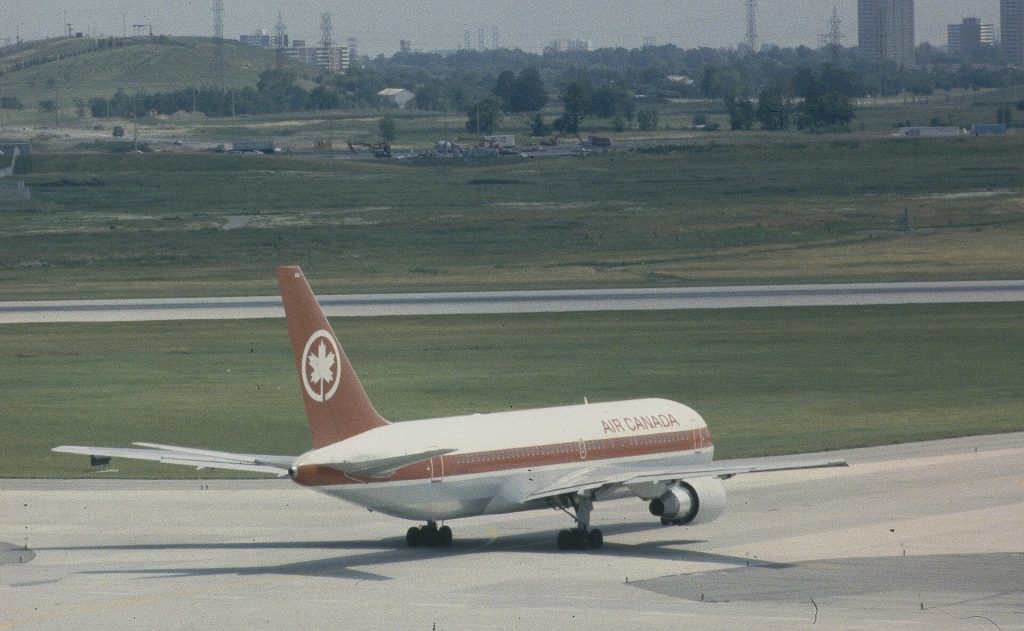
| Aircraft variant | Boeing 767-233, C-GAUN |
| Flight number | 143 |
| People who died | 0 |
| People on board | 69 |
| Were there survivors? | Yes |
| Phase of flight | Cruise |
Official finding · Board of Inquiry, Government of Canada (Justice George H. Lockwood), April 1985
The aircraft ran out of fuel because the fuel load was calculated in Montreal and again in Ottawa with a pounds-per-litre factor (1.77) instead of a kilograms-per-litre factor (about 0.8), after it was dispatched with blank fuel gauges contrary to the minimum equipment list; the Board also found corporate and equipment deficiencies at Air Canada.
Further reading
-
When the pilots saved the plane
Four documentaries about crews who kept a failing airliner flying long enough to land it. They cover two fuel emergencies, a jammed elevator and a fuselage torn open in flight, and the investigations that followed. Everyone on the first three flights survived, and 94 of the 95 people on Aloha Flight 243 lived.
More coverage
-
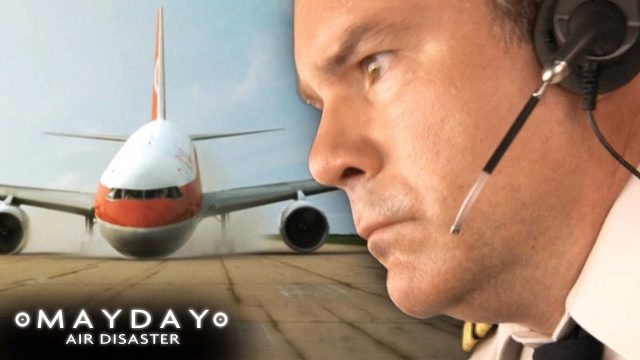
Mayday: Air Disaster
Air Canada Flight 143: Gimli Glider Landing and the Inquiry
Questions and answers
Why did Air Canada Flight 143 run out of fuel?
The fuel was measured by hand with a dripstick because the fuel gauges were not working. To turn litres into kilograms, the crew and mechanics used 1.77, which is the number of pounds in a litre of fuel. The aircraft left Montreal, and then Ottawa, with about half the fuel the crew thought it had.
Why is it called the Gimli Glider?
After both engines stopped, the 767 glided with no engine power to a landing at Gimli, a former air force base in Manitoba. The aircraft was repaired, went back into service and kept the nickname for the rest of its career.
Was anyone hurt?
No one was killed and there were no serious injuries. About ten people were slightly hurt during the evacuation, most of them on the steep rear slides, which did not reach the ground because the nose was down on the runway.
What did the Board of Inquiry recommend?
It recommended using one unit of measurement across the fleet, dripsticks that read directly in kilograms, independent checks of fuel loads, clear responsibility for fuel calculations, more spare fuel-gauge parts, and better metric training for crews and mechanics.
What happened to the pilots?
According to published accounts, Captain Pearson was demoted for six months and First Officer Quintal was suspended for two weeks, before both were reinstated. In 1985 they received the first FAI diploma for outstanding airmanship.
Sources: The facts and written text on this page come from the 3 videos on this page, by Mayday: Air Disaster, Flight Files.