Helios Airways Flight 522: How a 737 Flew On After Crew Hypoxia

The short version
Helios Airways Flight 522 took off from Larnaca in August 2005 with its pressurisation selector left in manual after night maintenance, and its pilots mistook the cabin altitude horn for a takeoff warning. As hypoxia took hold, the Boeing 737 flew on autopilot past Athens into a holding pattern, where F-16s found the crew slumped and the cabin still. It crashed near Grammatiko when its fuel ran out, killing all 121 on board.
Full written account
On 14 August 2005, a Helios Airways Boeing 737 circled over the Aegean near Athens for almost an hour without answering anyone, then crashed into hills near Grammatiko. All 121 people on board were killed. This short documentary explains how a single switch and a confusing warning led to one of the strangest accidents in modern aviation.
A switch left in manual
Helios, Cyprus's first low-cost airline, operated Flight 522 from Larnaca to Athens and Prague with 115 passengers and 6 crew, many of them families. During unscheduled maintenance the night before, an engineer moved the pressurisation mode selector to manual to test for leaks, a normal step. It was not moved back to auto. The same aircraft had lost cabin pressure in December 2004.
The crew checked the pressurisation panel several times that morning and did not notice. The video explains why: when a switch is almost always in the right position, the eye tends to see what it expects.
The horn that meant two things
The 737 took off at 09:07 with the outflow valve partly open. As the cabin passed about 10,000 ft, a horn sounded. On the 737, the same horn warned of a takeoff configuration problem on the ground and of excessive cabin altitude in the air. The crew took it as the takeoff warning.
Just after 09:14 the captain reported the warning and an equipment cooling problem to the airline's engineer in Larnaca, who asked the right question: was the pressurisation selector set correctly? The answers became confused, then stopped. The video explains hypoxia: it does not feel like danger, and judgment fades before people realise anything is wrong. The passenger masks dropped at about 18,000 ft but last only about 12 minutes, and nobody brought the aircraft down.
The ghost plane
The autopilot climbed to 34,000 ft and followed the programmed route. At 10:21 the aircraft passed the beacon south-east of Athens, flew over the airport without descending and at 10:38 entered the holding pattern over Kea. Two F-16s scrambled from Nea Anchialos reached it at 11:24, on its sixth lap. They saw no damage, the first officer slumped in his seat, no captain, and passengers motionless.
Andreas Prodromou
Shortly before the fuel ran out, the F-16 pilots saw someone enter the cockpit and sit in the captain's seat. Investigators believe it was Andreas Prodromou, a 25-year-old flight attendant with a commercial pilot licence, who had probably used portable oxygen. At 11:50 the left engine flamed out and the aircraft began to descend. At 11:54 the cockpit voice recorder captured two Mayday calls. The second engine stopped soon after, and the 737 crashed near Grammatiko, about 33 km north-west of Athens International Airport.
What the investigation found
The Hellenic AAIASB published its final report in October 2006. The accident began with the selector not being returned to auto; the crew did not recognise its position or the meaning of the warning, and were incapacitated by hypoxia. The report also blamed weak safety systems at the airline, inadequate oversight by the regulator and ineffective responses to earlier pressurisation incidents on the type. Since then, training has stressed that a cabin altitude horn in flight means oxygen first, then descend.
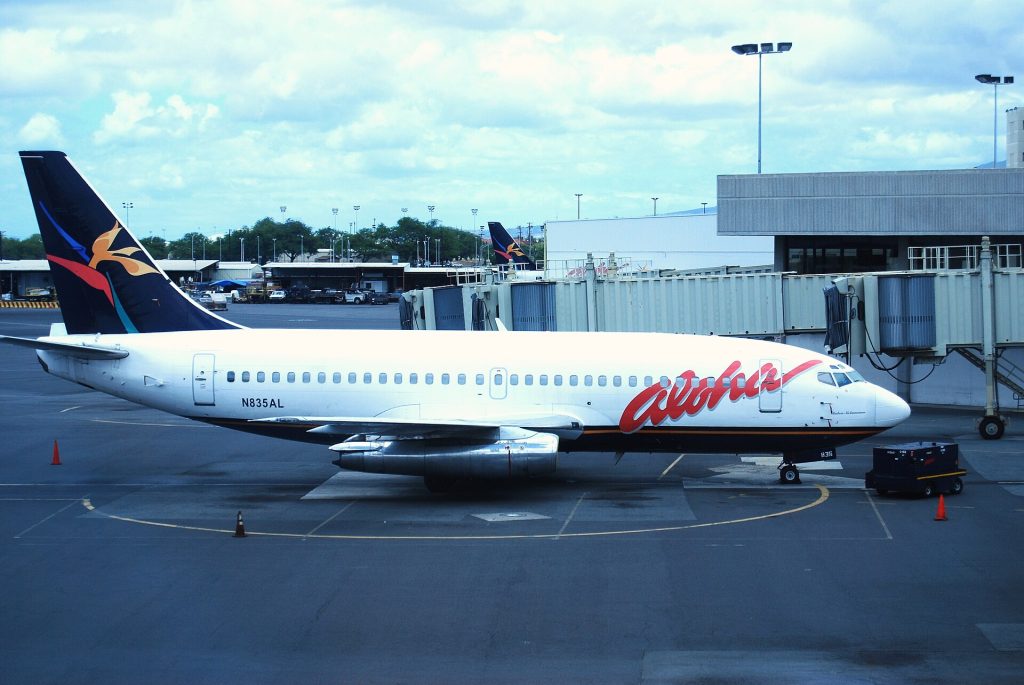
For a decompression with a structural cause, see Aloha Airlines Flight 243.
Questions this video answers
How many people died on Helios Airways Flight 522?
All 121 people aboard died: 115 passengers and six crew members.
Why did the pilots become incapacitated?
Investigators found that the pressurization selector remained in manual after maintenance. The crew missed its position and misidentified the warning horn, then became incapacitated by hypoxia.
Why did the aircraft keep flying?
The autopilot continued the climb to 34,000 feet and followed the programmed route. After passing Athens without descending, the aircraft entered a holding pattern.
Who tried to take control of the aircraft?
Investigators believe flight attendant Andreas Prodromou entered the cockpit and attempted to take control. He held a commercial pilot's license but was not qualified to fly a Boeing 737, and is believed to have used portable oxygen.
What did the intercepting fighter pilots see?
They saw no fire, smoke or visible damage. The first officer was slumped in his seat, the captain was not visible at the controls, and passenger oxygen masks were hanging in the cabin.
Explore related events
Connected by the topic: Boeing 737 Classic