Alaska Airlines Flight 261
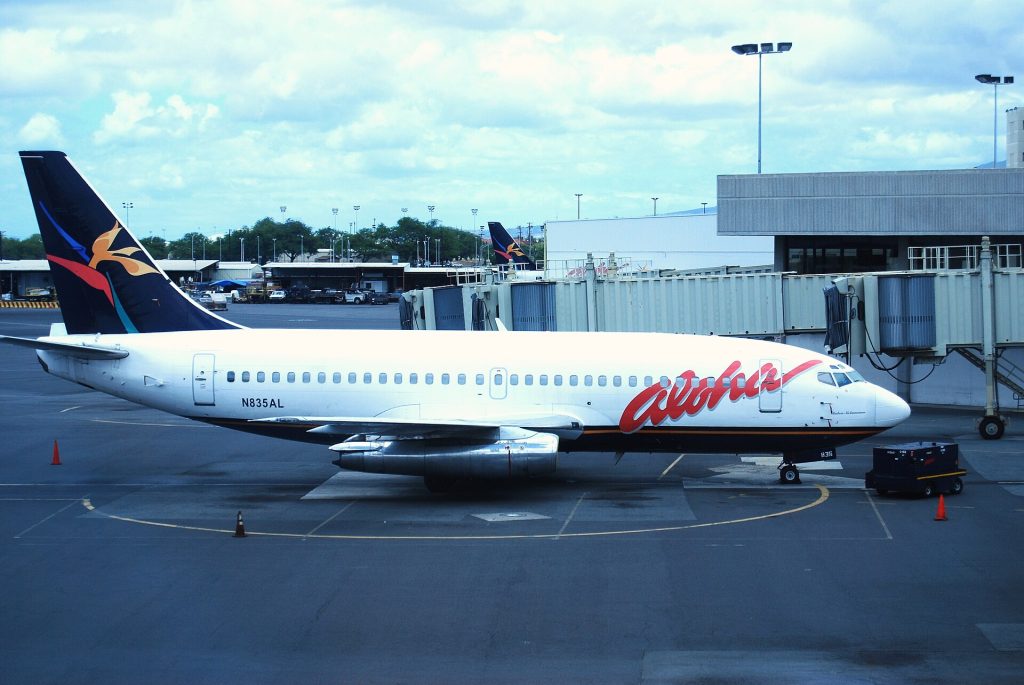
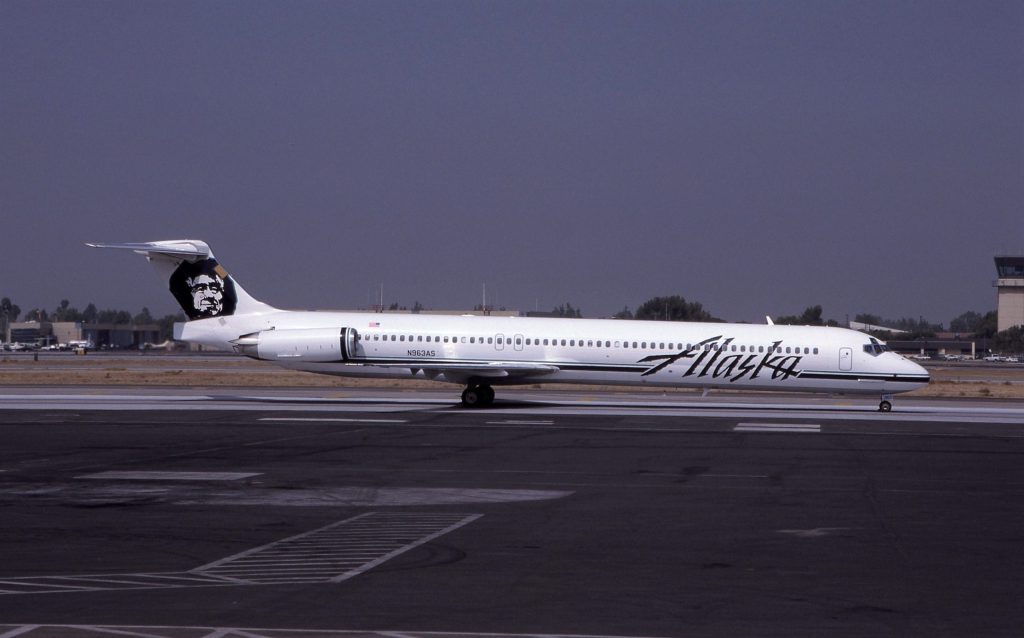
On 31 January 2000 Alaska Airlines Flight 261, an MD-83 flying from Puerto Vallarta to San Francisco, lost pitch control when the worn threads of the jackscrew that moves its horizontal stabiliser failed. It dived inverted into the Pacific Ocean off Anacapa Island, California, and all 88 people on board were killed.
The sequence of events
-
Watch this moment · 13:54
13:37 PSTapproximately
Departure from Puerto Vallarta
Flight 261 took off from Puerto Vallarta for San Francisco and Seattle, with the first officer flying.
-
13:49:51 PST
The stabiliser stops moving
Climbing through about 23,400 feet, the horizontal stabiliser made its last movement, to 0.4 degrees nose down. It then stayed jammed at that setting.
-
13:53:12 PST
The autopilot disengages
The crew flew the climb by hand, pulling on the control column, and then cruised at about 31,000 feet while discussing the jammed stabiliser with company maintenance.
-
16:09 PSTapproximately
The first dive
After the crew tried the trim systems again, the stabiliser moved further nose down and the aircraft dived for about 80 seconds, from 31,050 feet to between 23,000 and 24,000 feet, before they regained control.
-
16:15:56 PST
A plan to test control over the water
The captain asked to descend to 10,000 feet over the sea to change configuration and check that he could control the aircraft before landing at Los Angeles.
-
16:19:36 PST
The jackscrew fails
The cockpit recorder captured an extremely loud noise as the acme nut threads let go and the stabiliser moved to an extreme nose-down position. The aircraft pitched over and rolled inverted.
-
Watch this moment · 37:30
16:21 PSTapproximately
Impact with the ocean
After the pilots tried to fly it upside down, the aircraft struck the Pacific about 2.7 miles north of Anacapa Island.
Key facts
| Aircraft | McDonnell Douglas MD-80 |
|---|---|
| Aircraft variant | McDonnell Douglas MD-83, N963AS |
| Flight number | 261 |
| People who died | 88 |
| People on board | 88 |
| Were there survivors? | No |
| Phase of flight | Cruise |
Official finding · National Transportation Safety Board (NTSB)
a loss of airplane pitch control resulting from the in-flight failure of the horizontal stabilizer trim system jackscrew assembly's acme nut threads, caused by excessive wear from Alaska Airlines' insufficient lubrication; the FAA-approved extensions of the lubrication and end play check intervals, and the lack of a fail-safe mechanism on the MD-80, contributed.
More coverage
-
Green Dot Aviation
Alaska Airlines Flight 261: Two Hours With a Jammed Stabiliser

Questions and answers
What caused Alaska Airlines Flight 261 to crash?
The threads inside the acme nut of the horizontal stabiliser jackscrew wore away until the nut could no longer hold the screw. The stabiliser, which controls the aircraft's pitch, moved to a nose-down position the pilots could not overcome. The NTSB found that the wear came from insufficient lubrication by Alaska Airlines.
Why was the jackscrew worn out?
The NTSB found that Alaska Airlines had not lubricated the jackscrew properly, and that the airline had extended the lubrication interval to every 8 months, about 2,550 flight hours, and the end play wear check to every 30 months, about 9,550 flight hours. The FAA approved both extensions. That allowed a missed lubrication to cause heavy wear and allowed the wear to go undetected.
Could the pilots have saved Flight 261?
Once the threads failed, the stabiliser was beyond the pilots' control. The NTSB found that the crew's decision to divert to Los Angeles was prudent, but that using the autopilot while the stabiliser was jammed was not appropriate, and that without clearer guidance pilots may try improvised troubleshooting that worsens a controllable aircraft. It recommended that crews land at the nearest suitable airport when trim checklist procedures do not work. Captain Ted Thompson and First Officer Bill Tansky were posthumously awarded the Air Line Pilots Association's Gold Medal for heroism.
How many people died on Alaska 261?
All 88 people on board: 83 passengers, including three lap-held children, two pilots and three flight attendants.
What changed after Alaska Airlines Flight 261?
The NTSB's recommendations covered lubrication and inspection of jackscrew assemblies, the way maintenance intervals are extended, jackscrew overhaul procedures, and the design of trim systems so that a single failure like this cannot be catastrophic. Read more in our guide to plane crashes caused by maintenance errors.
Sources: The facts and written text on this page come from the 2 videos on this page, by Mentour Pilot, Green Dot Aviation.