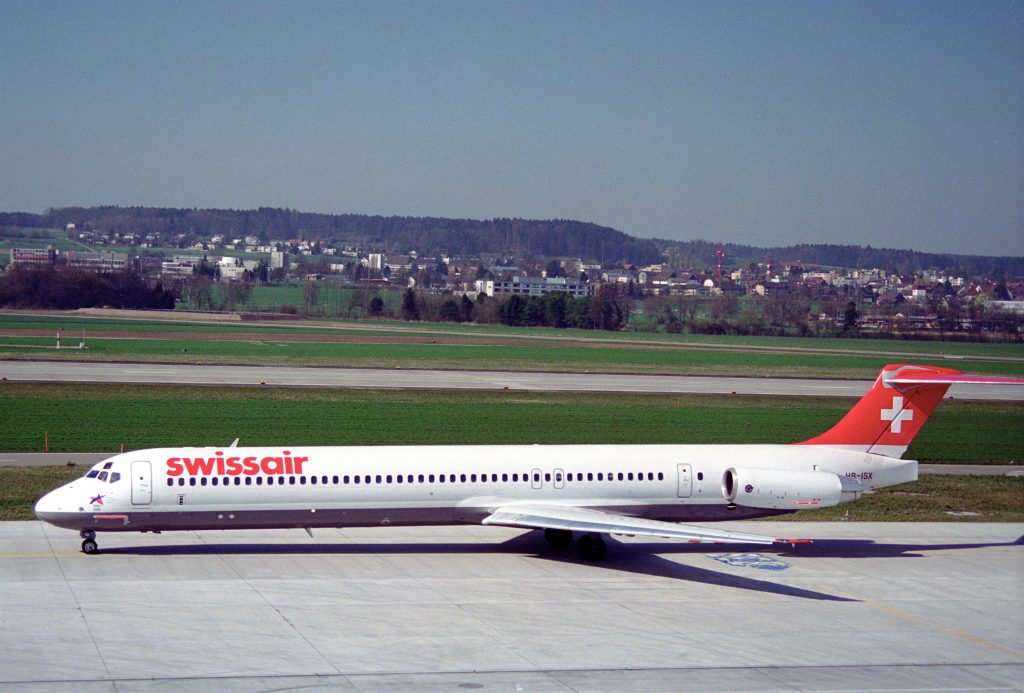
Alaska Airlines Flight 261: How a Worn Jackscrew Caused the Dive
The short version
Mentour Pilot explains the loss of Alaska Airlines Flight 261 on 31 January 2000, beginning with how the MD-80's horizontal stabiliser and jackscrew work and how their maintenance was stretched over the years. He then follows the flight from Puerto Vallarta through two hours with a jammed stabiliser to the final dive off California, and ends with the NTSB's findings.
Full written account
This Mentour Pilot episode on Alaska Airlines Flight 261 spends its first half on the machinery and the maintenance history, because, as the narrator says, the accident began long before the flight. The second half follows the flight using the cockpit voice recording.
The stabiliser and the jackscrew
On the MD-80 the whole horizontal stabiliser, about 40 feet wide and mounted on top of the tail fin, moves to trim the aircraft in pitch. It is driven by a single jackscrew turning through an acme nut. The narrator explains the redundancy built around it: two trim motors, a standby switch, electrical limits and mechanical stops. The screw and nut themselves had no backup. They were designed to be lubricated regularly and checked for wear, because the nut threads are softer than the screw and wear down by design.
Stretched intervals
The video traces how Alaska Airlines extended its lubrication interval over the years, with each extension approved by the FAA, until it reached a calendar limit that worked out to about 2,550 flight hours. It also covers the end play check, the measurement that shows how worn the nut is, which was stretched to about every 9,550 flight hours. The narrator describes evidence from the investigation that the grease was not always applied properly, including a mechanic's description of how long the job took him.
A jammed stabiliser
Captain Ted Thompson, who had flown more than 17,750 hours, and First Officer Bill Tansky, 57, flew the aircraft out of Puerto Vallarta. During the climb the stabiliser stopped responding, and the autopilot disconnected. The crew flew by hand, pulling on the controls, and as fuel burned off less force was needed. The cockpit voice recording covers only the last 30 minutes, so the narrator reconstructs the earlier part from flight data. The crew talked to company maintenance and dispatch about diverting to Los Angeles, and the narrator discusses the dispatcher's mention of delays at LAX.
The first dive
As the crew worked through the trim systems again, the stabiliser moved beyond its normal nose-down limit and the aircraft dived. The first officer asked, "What are you doing?" The two pilots together recovered with very large control forces. The narrator praises the captain's short announcement to the passengers and the first officer's argument for not touching the trim again while the aircraft was still flying. They planned to descend over the sea to test the aircraft at low speed before landing.
The end
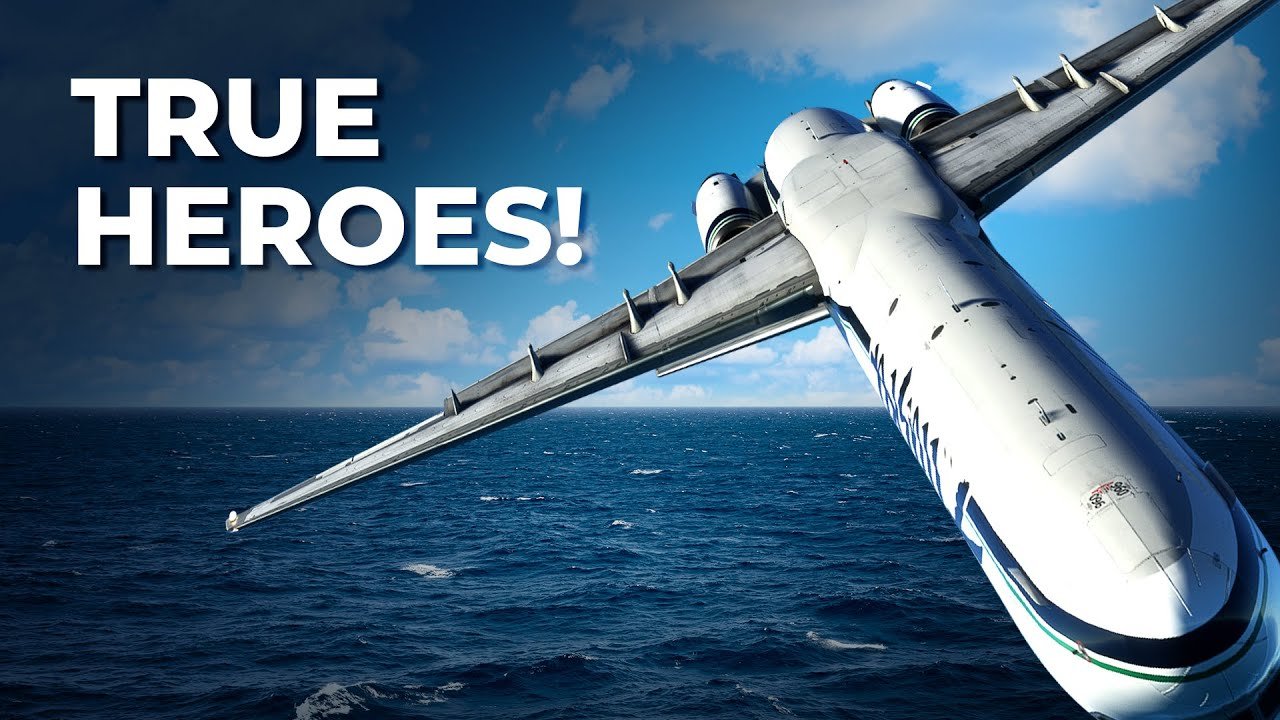
At 16:19 the remaining threads failed and the stabiliser moved to an extreme nose-down position. The aircraft pitched over and rolled inverted. The captain tried to keep it flying upside down, and the engines stalled in the extreme airflow. The aircraft struck the ocean north of Anacapa Island.
The investigation
The jackscrew was recovered from the seabed with the nut's threads worn away. The narrator summarises the NTSB's findings on lubrication, the interval extensions and the lack of a fail-safe design, and notes that the two pilots were posthumously awarded the Air Line Pilots Association's Gold Medal for heroism. For other accidents rooted in maintenance, see American Airlines Flight 191 and Japan Air Lines Flight 123.
Questions this video answers
What caused the crash of Alaska Airlines Flight 261?
A loss of control caused by the in-flight failure of the horizontal stabilizer trim jackscrew assembly, according to the NTSB conclusion described.
Were there survivors?
All 88 people on board died when the aircraft hit the Pacific Ocean.
What contributed to the failure?
The extended lubrication schedule and wear checks, both approved by the FAA, were contributing factors. Combined with poorly executed lubrications, excessive wear went undetected.
What did the crew do about the jammed stabilizer?
They discussed diverting to Los Angeles (LAX) and troubleshot the jammed trim, including with company maintenance. They later ran configuration tests over water rather than populated land.
Were the pilots recognized?
Captain Ted Thompson and First Officer Bill Tansky were posthumously awarded the Airline Pilots Association Gold Medal for heroism.
Explore related events
Connected by the topic: McDonnell Douglas MD-80