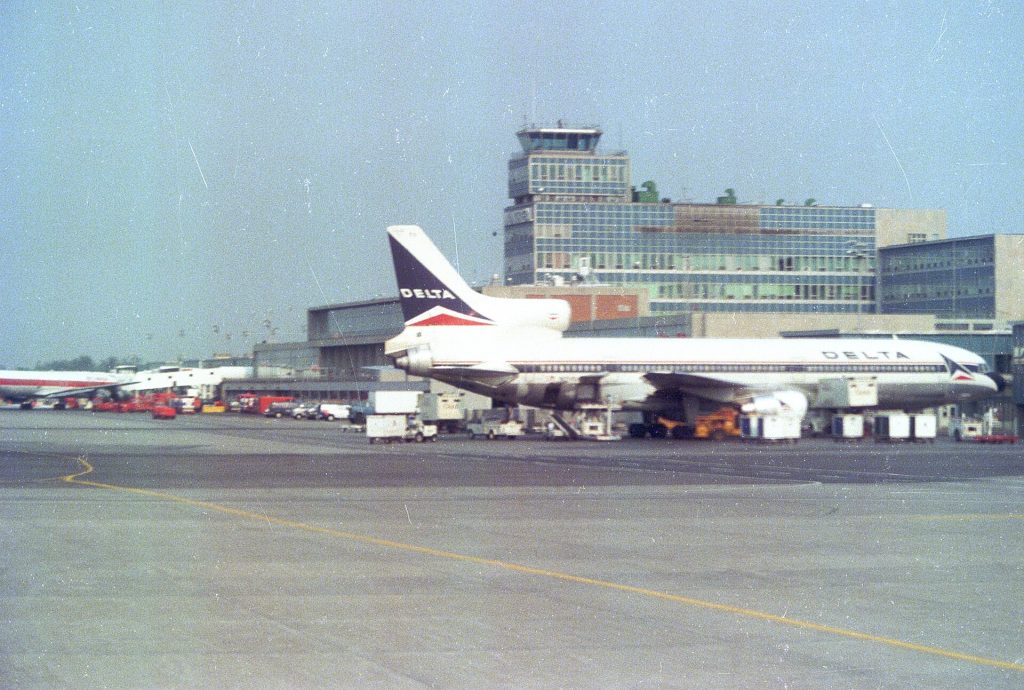
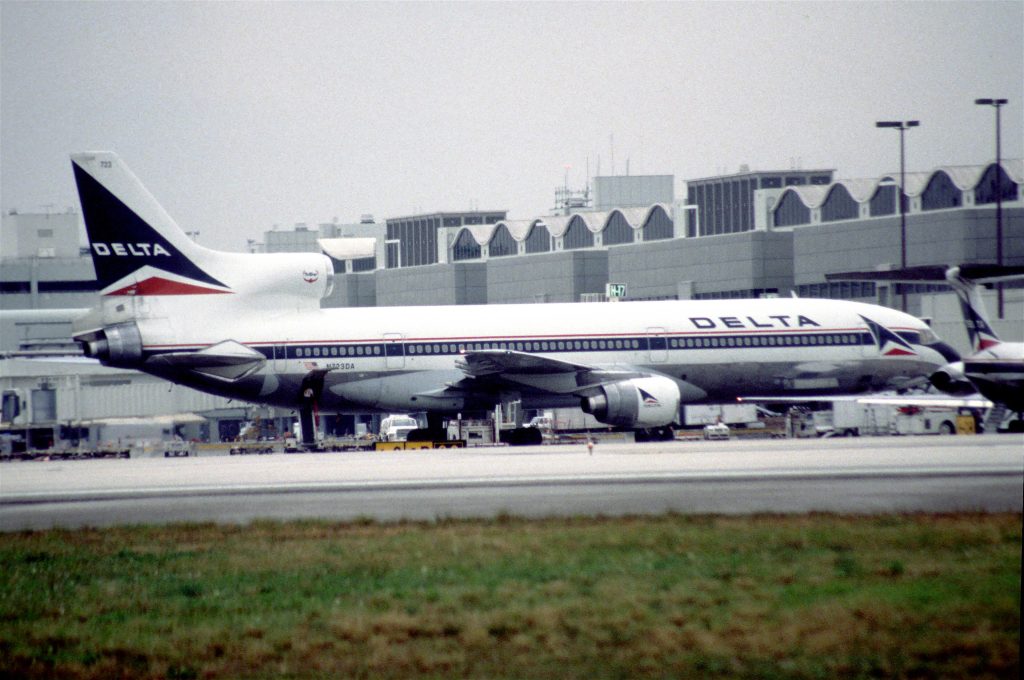
Eastern Air Lines Flight 855: Missing O-Rings in Three Engines

The short version
On 5 May 1983 Eastern Air Lines Flight 855, a Lockheed L-1011 flying from Miami to Nassau, lost oil from all three engines because replacement chip detectors had been fitted without their O-ring seals. After all three engines stopped, the crew restarted the centre engine at about 4,000 feet and landed back at Miami. All 172 people on board left the aircraft unhurt.
Full written account
Eastern Air Lines Flight 855 shows how one maintenance error repeated on three engines can take away all the redundancy a three-engine airliner is meant to have. This video follows the flight from Miami toward Nassau, the turn back, the powerless descent toward the Atlantic and the landing at Miami.
The crew and the flight
Flight 855 was a 37-minute flight from Miami to Nassau in the Bahamas on the morning of 5 May 1983, with 162 passengers and 10 crew on a seven-year-old L-1011 TriStar. Captain Richard Boddy, 58, had 30 years with Eastern but only 13 hours on the TriStar and was flying under supervision. In the right seat was check captain Steve Thompson, 48, with nearly 17,000 hours and the formal command of the flight. Flight engineer Dudley Barnes, 44, had the most TriStar experience, with more than 2,500 hours. The aircraft carried fuel for the round trip.
One engine, then all three
Descending through 15,000 feet toward Nassau, the low oil pressure light came on for engine No. 2, the engine at the base of the tail. Its oil quantity had fallen to 8 quarts. The crew shut it down. With poor weather and no ILS at Nassau, they turned back for Miami, about 20 minutes away. Climbing back, the low oil pressure lights came on for engines 1 and 3, and both gauges read zero. Boddy judged the chance of all three engines losing their oil at the same time to be one in a million. Eastern's maintenance staff suspected an electrical fault in the gauges' power supply, but there was no popped circuit breaker.
The missing O-rings
Overnight in Miami, two mechanics had replaced the master chip detectors in all three engines. These magnetic probes collect metal particles from the oil. The replacement detectors had no O-ring seals. Eastern's procedures did not make clear how long to run the engines afterwards, and each was run for only about 10 seconds, too short to show a leak. Throughout the flight, oil had been seeping out of all three engines.
A powerless descent
Engine 3 seized with a loud bang. On one engine, Boddy let the airplane descend slowly to spare it. The crew tried a windmill restart of engine 2 at 225 knots, then found it needed 285 knots at that altitude. They began dumping fuel to lighten the airplane. Before they could relight engine 2, engine 1 stopped too. The TriStar was now a glider. The pilots put on life jackets, and the cabin crew prepared the passengers to ditch. Because the cabin was told ditching was imminent, panic broke out several minutes before any impact would have come. The auxiliary power unit, started earlier, kept the flight controls and instruments powered. The US Coast Guard and Air Force readied aircraft, helicopters and boats.
Engine 2 restarts
With about three minutes to spare, the crew stopped working through the checklist and tried a start using the starter motor and air from the auxiliary power unit. Engine 2 restarted at about 4,000 feet. The airplane bottomed out about 3,000 feet above the water, 22 miles from Miami. To spare the engine, the crew reduced the electrical and air loads, flew the approach slightly high and used only 10 degrees of flap. They chose runway 27L, the longest, so that they could turn and ditch along the coast if the engine failed.
On the ground
The airplane landed at about 9:45 and stopped. After it left the runway, the controller reported black smoke from engine 1. According to the video, the ignition had been left on during the restart attempts, and fuel in the wing engines ignited. The crew fired the extinguishers, and fire crews used foam. When Boddy tried to taxi to the gate, engine 2 also failed. The video points out that if it had restarted a minute or so earlier in the air, it might have failed before the runway. Everyone left the airplane unhurt.
Afterwards
The NTSB found the cause was the missing O-ring seals, the result of mechanics not following established procedures. Eastern changed its chip detector procedures, made a training video, required engine runs of at least 30 seconds after such work, and revised its emergency checklists to improve flight deck and cabin communication, with a clear signal for the brace position. A week later, the three pilots received an award from the Air Line Pilots Association for their airmanship.
Questions this video answers
Why did all three engines lose oil?
Replacement chip detectors had been installed without the required O-ring seals, allowing oil to leak out. The engines were tested for only 10 seconds, and the leaks were not detected.
How many people were aboard Flight 855?
There were 162 passengers, seven cabin crew and three flight crew, totaling 172 people. Everyone disembarked safely.
How did the crew recover engine power?
After unsuccessful windmill restart attempts, the crew used air from the auxiliary power unit and the starter motor to restart engine two.
Why did the crew return to Miami instead of landing at Nassau?
Nassau had poor weather and lacked an ILS approach. Miami offered better conditions, a full ILS approach and an Eastern maintenance facility.
Explore related events
Connected by the topic: Lockheed L-1011 TriStar