United Airlines 811: The Cargo Door Failure and Revised Findings

The short version
United Airlines Flight 811 suffered explosive decompression while climbing through 23,000 feet over the Pacific when its cargo door tore away, killing nine passengers. The crew returned to Honolulu with two engines shut down, damaged flaps and a ruptured fuselage. Kevin and Susan Campbell’s investigation challenged the initial explanation, and a revised NTSB report identified a switch or wiring failure that caused the door to open without a command. The compilation also covers the IFO 21 crash in Croatia and the collision involving a Legacy jet and Gol Flight 1907.
Full written account
United Airlines Flight 811 lost its cargo door while climbing through 23,000 feet, 100 miles from Honolulu over the Pacific. Nine passengers died when five rows of seats were blown out. The explosion also destroyed the oxygen supply, leaving the pilots without the oxygen they needed during their emergency descent.
The compilation follows this cargo door failure before examining a military trade mission crash in Croatia and a collision over Brazil.
Flight 811: a damaged aircraft and a disputed explanation
Captain Dave Cronin had kept the seat belt sign on because of thunderstorms ahead. After the door tore away, the crew descended toward breathable air and turned back toward Honolulu. Debris damaged both right-side engines: number three was shut down, and number four was subsequently shut down after a fire was discovered.
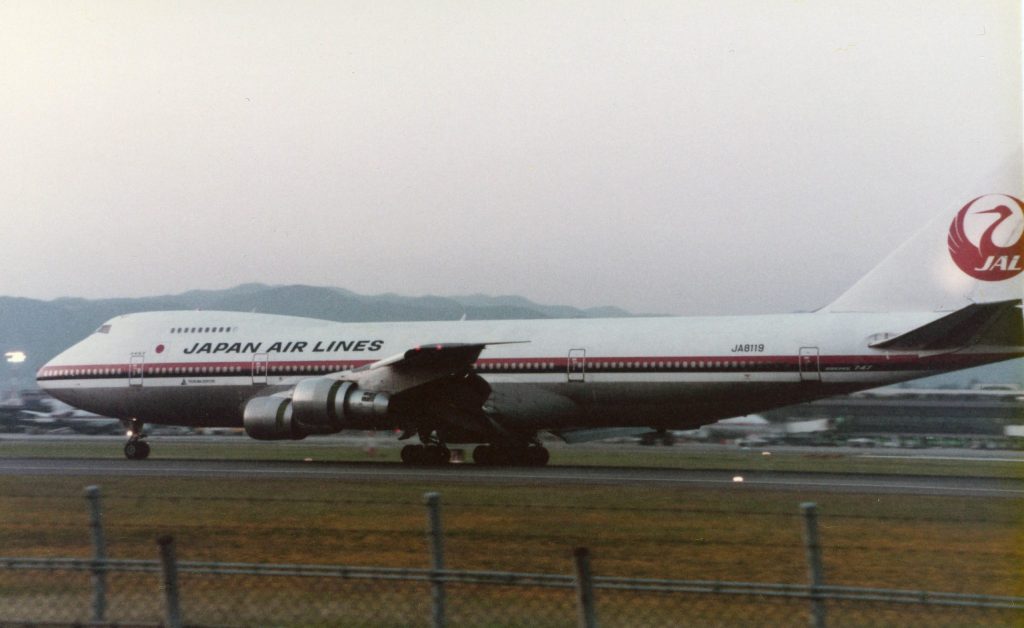
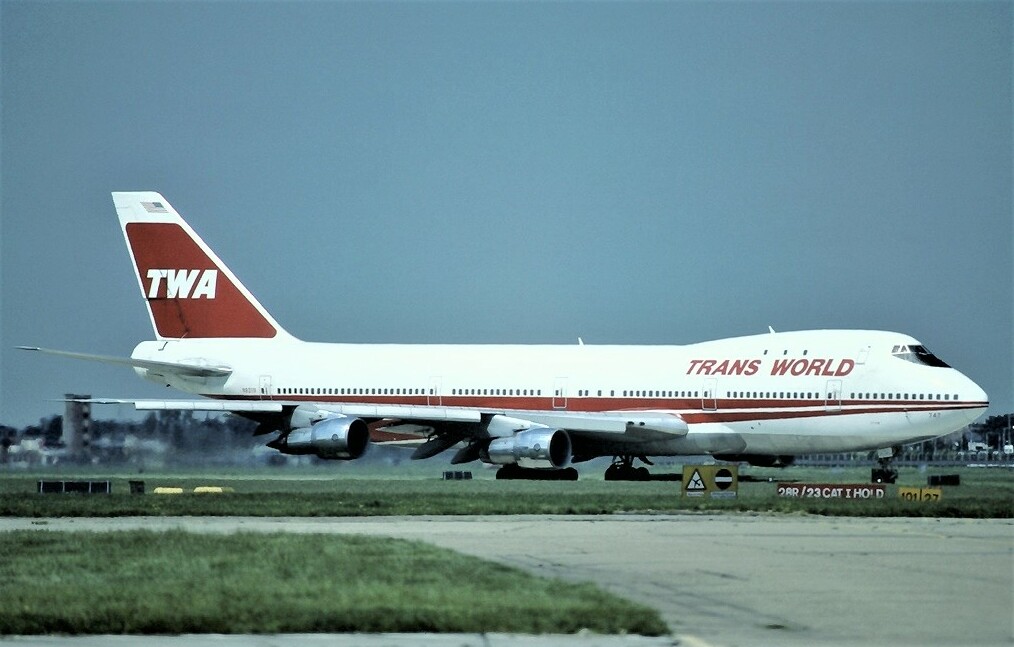
Despite dumping fuel, the Boeing 747 remained overweight. Its damaged flaps could not fully extend, requiring a fast landing. The landing gear held at touchdown, and the passengers evacuated using slides.
Kevin and Susan Campbell, whose son Lee died, began a personal investigation lasting nearly two years. They examined the outward-opening cargo door’s C-shaped latches and aluminium locking sectors. Electric motors rotated the latches around pins; the locking sectors were supposed to prevent those latches from reopening.
The Campbells focused on the S2 master latch lock switch, which was meant to disconnect power when the outer handle closed. They believed a switch failure had left the motors powered, allowing a short circuit to drive the latches open against the weak locking sectors.
The initial National Transportation Safety Board report instead focused on mishandling of the door. After the door was recovered from 14,000 feet of water, and another United 747’s cargo door opened itself on the ground in June 1991, the NTSB issued a revised report. It identified a failure of either the switch or wiring that caused an uncommanded opening.
A modification replacing aluminium locking sectors with steel had already been prescribed. After Flight 811, the Federal Aviation Administration shortened the compliance deadline from 18 months to 30 days.
IFO 21: an approach without the required equipment
On April 3, 1996, IFO 21 crashed near Dubrovnik, Croatia, during a trade mission carrying US Commerce Secretary Ron Brown. All 35 people aboard died.
The airport’s instrument landing system had been destroyed during the war. Its replacement approach used two nondirectional beacons, but the aircraft carried only one automatic direction finder. That prevented the crew from monitoring both beacons simultaneously.
Investigators also found that the approach chart’s minimum descent altitude did not meet American standards. The approach had not received the required approval, yet Air Force operations continued there. The final report faulted flight errors, the approach procedure and failures of command. Subsequent changes required flight recorders on military aircraft and Department of Defense approval before using an airport.
Gol Flight 1907: two clearances to the same altitude
On September 29, 2006, a Legacy jet and Gol Flight 1907 collided over Brazil. The Legacy landed at a military base with wing and tail damage; all 154 people aboard the Boeing 737 died.
Investigators established that both aircraft had been cleared to 37,000 feet. Controllers had not instructed the Legacy to make the descent shown in its flight plan. A display automatically updated its planned altitude, and a controller mistook that figure for its actual altitude.
Communication difficulties compounded the altitude error. Investigators also examined why neither aircraft received a collision warning, finding that the controller’s radar display indicated a loss of the Legacy’s transponder.
Questions this video answers
What happened to United Airlines Flight 811?
Its cargo door tore away while it was climbing through 23,000 feet, ripping open the fuselage and causing explosive decompression.
How many people died on Flight 811?
Nine passengers died when five rows of seats were blown out of the aircraft.
Did Flight 811 return to an airport?
Yes. The crew landed at Honolulu with two engines shut down, and the remaining passengers were evacuated using slides.
What did the revised investigation conclude?
The revised NTSB report identified a failure of either a switch or the wiring that caused an uncommanded opening of the cargo door.
Why were Kevin and Susan Campbell involved in the investigation?
Their son Lee was among the passengers killed. They conducted their own investigation and challenged the initial explanation that the door had been mishandled.
Explore related events
Connected by the topic: Boeing 747