TWA Flight 800: The 747 Fuel Tank Explosion Off Long Island
The short version
TWA Flight 800 disappeared from radar 12 minutes after leaving New York for Paris in July 1996, when its centre fuel tank exploded and all 230 people on board were killed. This short documentary follows the recovery of the wreckage, the FBI and NTSB investigations and why the missile theory was ruled out. It ends with the rules that followed, from wiring inspections to fuel tank inerting.
Full written account
TWA Flight 800, a Boeing 747 carrying 230 people from New York to Paris, vanished from radar off Long Island on the evening of 17 July 1996. This nine-minute documentary covers what happened, how investigators found the cause and what changed in every airliner afterwards.
An ordinary evening departure
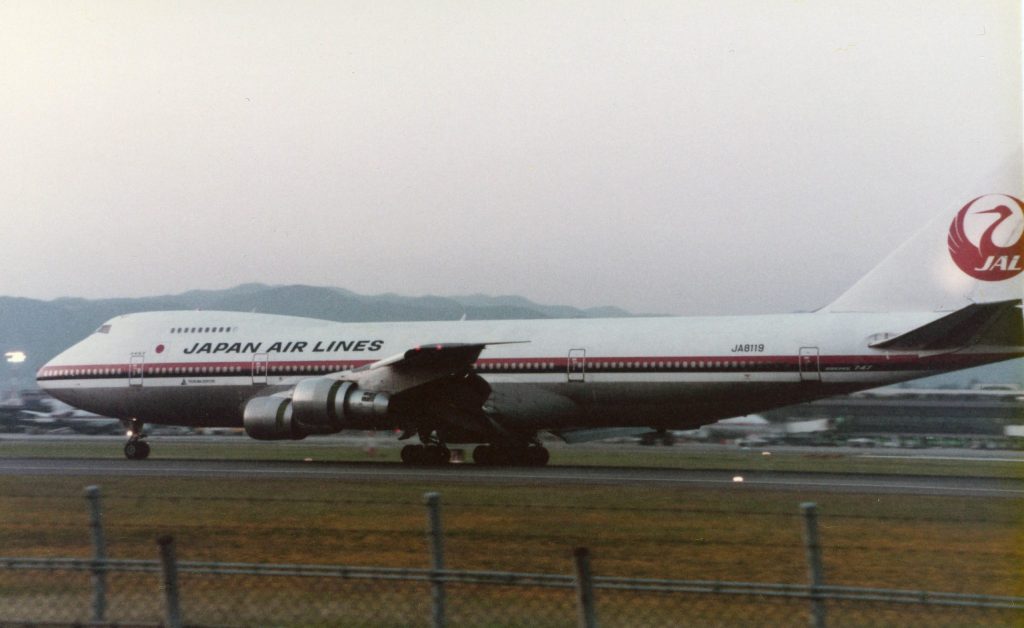
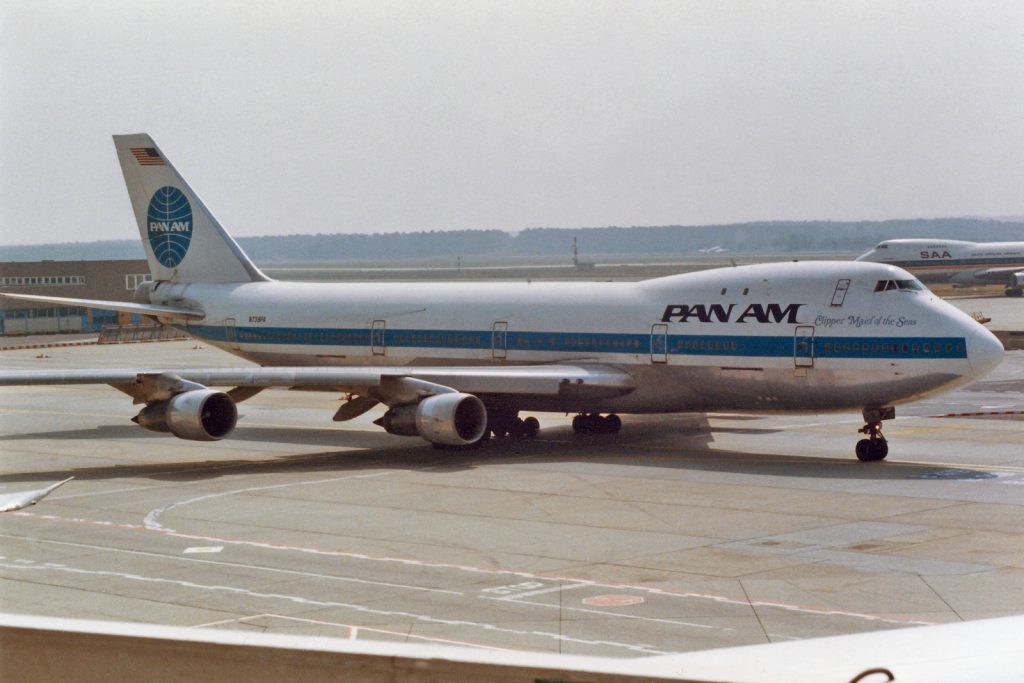
The aircraft was a Boeing 747-131, one of the oldest 747s still carrying passengers at TWA, with about 93,000 flight hours. On board were 212 passengers, among them a high school French club from Pennsylvania, and 18 crew. The flight took off from runway 22R at JFK about 20:19 and climbed east over the ocean.
For 12 minutes everything was normal. As the 747 climbed through about 13,800 ft, its electrical power failed in an instant: the cockpit voice recorder stopped, the transponder went silent and the radar return disappeared. People on the shore saw a streak of light and a fireball falling into the sea. All 230 people on board were killed.
The search and two investigations
The Navy, the Coast Guard and civilian vessels searched the seabed for months, and more than 95% of the aircraft was recovered. Because witnesses had seen a streak of light, the FBI ran a criminal investigation alongside the NTSB's for more than a year. The NTSB reconstructed the aircraft in a hangar at Calverton, New York.
What the wreckage showed
The damage began inside the aircraft, at the centre wing fuel tank, with metal pushed outwards. There was no missile shrapnel and no consistent explosive residue. The FBI closed its investigation without finding evidence of a criminal act.
The centre tank had been almost empty, which made it full of fuel vapour and air. The wiring for the fuel quantity gauges ran into the tank, and on an ageing aircraft a short circuit could send far more voltage into it than the system was designed for.
The NTSB's conclusion
In August 2000 the NTSB adopted its final report. It found that the centre wing tank exploded when the fuel and air mixture ignited, most likely because a short circuit outside the tank let excessive voltage into wiring for the fuel quantity indication system. The exact spark could not be identified, because the wiring was destroyed.
What changed
The FAA's SFAR 88 required manufacturers and airlines to find and remove ignition sources in fuel tanks, and older aircraft were opened up for wiring inspections that had never been required before. Airliners were then fitted with inerting systems that fill emptying tanks with nitrogen-enriched air so the vapour cannot burn. The Calverton reconstruction was used to train investigators for years and was decommissioned in 2021.
Questions this video answers
What caused TWA Flight 800 to crash?
The NTSB's probable cause was an explosion of the center wing fuel tank, caused by ignition of flammable fuel vapor, most likely from a short circuit in wiring associated with the fuel quantity indication system.
Was TWA 800 shot down?
The FBI examined missile and bomb theories for more than a year and closed its investigation, finding no evidence of a criminal act. Physical evidence ruled out an outside strike.
How many people died?
All 230 on board died: 212 passengers and 18 crew.
What changed after the crash?
The FAA issued SFAR 88, requiring inspection and redesign of fuel tank wiring and components, and ordered new airliners to be built with fuel tank inerting systems.
Explore related events
Connected by the topic: Boeing 747