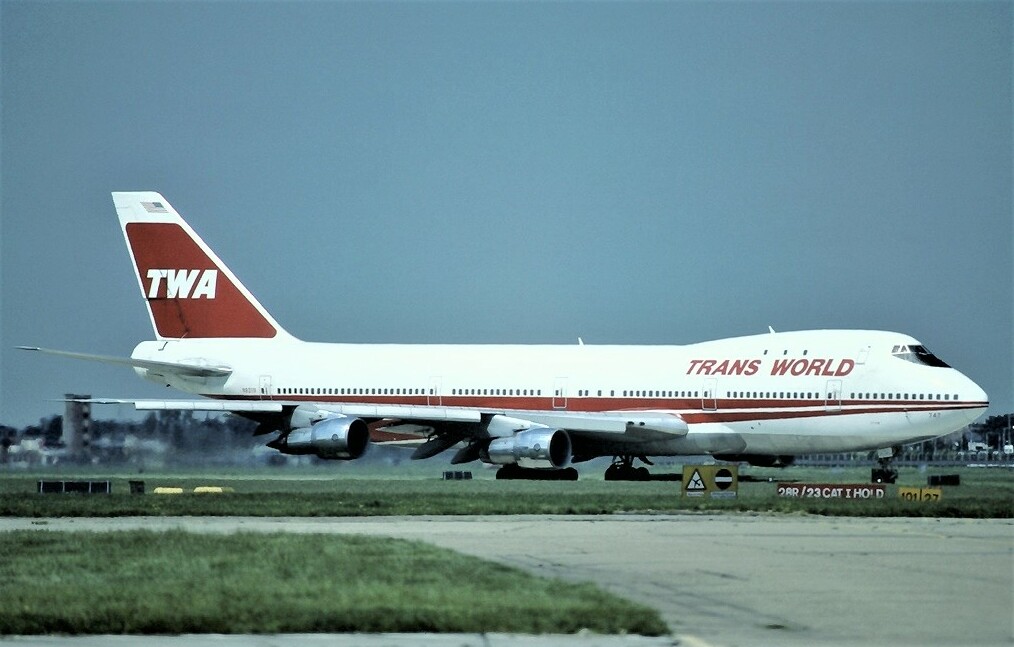
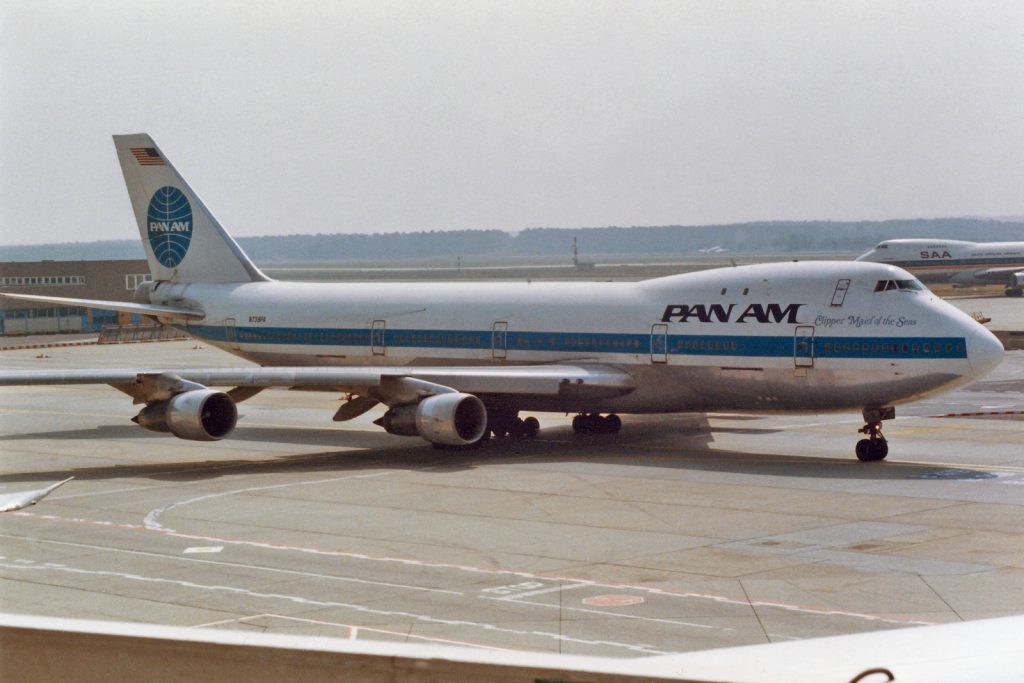
Japan Air Lines Flight 123: The Obon Flight and the 1978 Repair
The short version
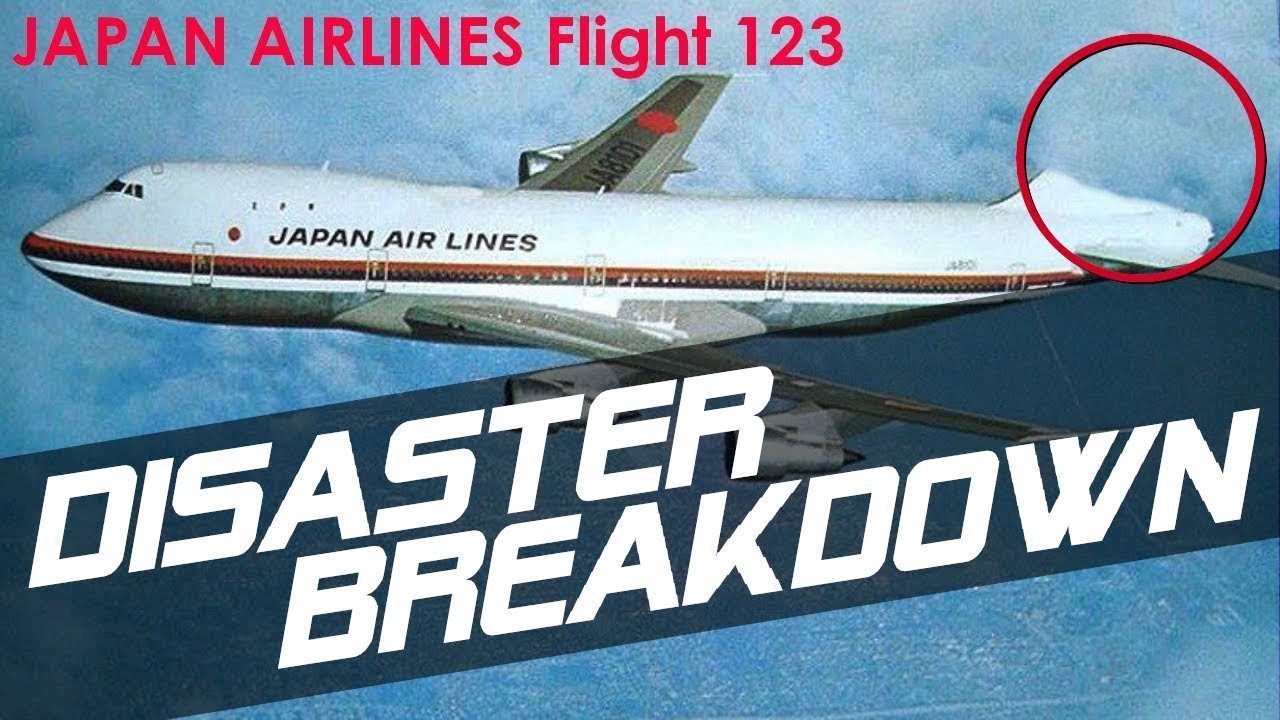
This Disaster Breakdown episode explains Japan Air Lines Flight 123, the Boeing 747 that crashed in the mountains of Gunma Prefecture on 12 August 1985. It covers Japan's short-haul 747 fleet, the 1978 tail strike and pressurisation fatigue, the flight itself, and a later accident with the same root cause: China Airlines Flight 611 in 2002.
Full written account
This episode explains Japan Air Lines Flight 123 for a general audience, with background on Japanese aviation in the 1970s and 1980s before it reaches the flight itself. It ends by comparing it with China Airlines Flight 611.
The 747SR
The video opens with a photograph found in the wreckage, taken inside the cabin. It then explains why Japan Air Lines used special short-range versions of the 747 on busy domestic routes as Japan's economy grew, and what that meant for the aircraft: many short flights, and so many cycles of pressurisation.
The tail strike and metal fatigue
The narrator explains what a tail strike is and how JA8119 struck its tail while landing in 1978. He then describes pressurisation cycles: the fuselage skin stretches as the aircraft climbs and contracts as it descends, and over many repetitions the metal can begin to crack. The repair to the rear pressure bulkhead left a weak point that grew with every flight.
12 August 1985
The flight left Tokyo during the Obon festival, when many people travel home, and the aircraft was full. The video describes the explosive decompression, the first officer setting the emergency transponder code 7700 and the captain contacting air traffic control, and the flight engineer's report that all hydraulic systems had failed. The crew had only the throttles to steer with, adding power on one side to turn and changing power to climb or descend. The narrator notes that after more than 10 minutes the aircraft had descended only about 2,000 feet. The crew lowered the landing gear to add drag. The aircraft crashed into the mountains north-west of Tokyo at 6:56 p.m.
China Airlines Flight 611
The final section covers a later accident with the same root cause. A China Airlines 747 that had suffered a tail strike in 1980 was repaired improperly, and on 25 May 2002, more than 22 years later, it broke up in flight as China Airlines Flight 611. The narrator uses the two accidents to show how a hidden repair fault can take years to cause a failure.
The investigation's findings are summarised on this event page. For more on maintenance errors, see our guide to plane crashes caused by maintenance.
Questions this video answers
What caused Japan Airlines Flight 123 to crash?
A badly done repair to the aft pressure bulkhead after a 1978 tail strike. The official investigation concluded the repair team did not repair it properly, and the weakness succumbed to metal fatigue.
How many people died on Flight 123?
520 people died. Four people survived, including two members of the cabin crew.
When did the accident happen?
On August 12, 1985, 12 minutes after takeoff from Tokyo on a flight to Osaka.
How did the crew control the plane?
Without hydraulic power the crew could only influence the plane with engine throttles, adjusting pitch slightly and yaw by applying more thrust to one side.
Was there a similar accident?
Yes. China Airlines Flight 611 broke up in 2002 after a similarly botched repair of a tail strike on a 747, killing all 225 people aboard.
Explore related events
Connected by the topic: Boeing 747