US Airways Flight 1549
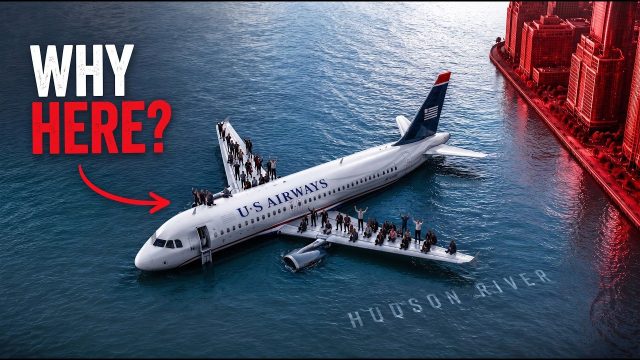
On 15 January 2009 US Airways Flight 1549, an Airbus A320 climbing out of New York's LaGuardia Airport for Charlotte, lost thrust in both engines after flying into a flock of Canada geese at about 2,800 feet. Captain Chesley Sullenberger and First Officer Jeffrey Skiles ditched it on the Hudson River about three and a half minutes later, and all 155 people on board survived.
The sequence of events
All times local
-
Watch this moment · 3:06
Cleared for takeoff
LaGuardia tower cleared the flight, call sign Cactus 1549, to take off from runway 4. First Officer Skiles was flying and Captain Sullenberger was monitoring.
-
Watch this moment · 0:19
"Birds."
Climbing through 2,818 feet above the ground, about 4.5 miles north-northwest of LaGuardia, the aircraft hit a flock of Canada geese. Both engines began to run down within seconds.
-
15:27:23 EST
"My aircraft"
Seconds after starting the auxiliary power unit, the captain took the controls. The first officer began the engine dual failure checklist.
-
Watch this moment · 7:14
Mayday call
The captain told New York departure control that they had hit birds, lost thrust in both engines and were turning back towards LaGuardia.
-
15:28:11 EST
"We may end up in the Hudson"
The captain told the controller he did not think they could land at LaGuardia. At 15:29:25 he said they could not make Teterboro either, and three seconds later: "We're gonna be in the Hudson."
-
15:30:43 EST
The ditching
After calling "We're gonna brace", the captain put the A320 down on the river. Water came in through damage at the rear of the fuselage, so the rear exits could not be used.
-
Watch this moment · 12:57
The first boat arrives
Commuter ferries and other vessels reached the aircraft within minutes. Passengers waited on the wings and in the forward slide/rafts, and the last of them were taken off by about 15:55.
Key facts
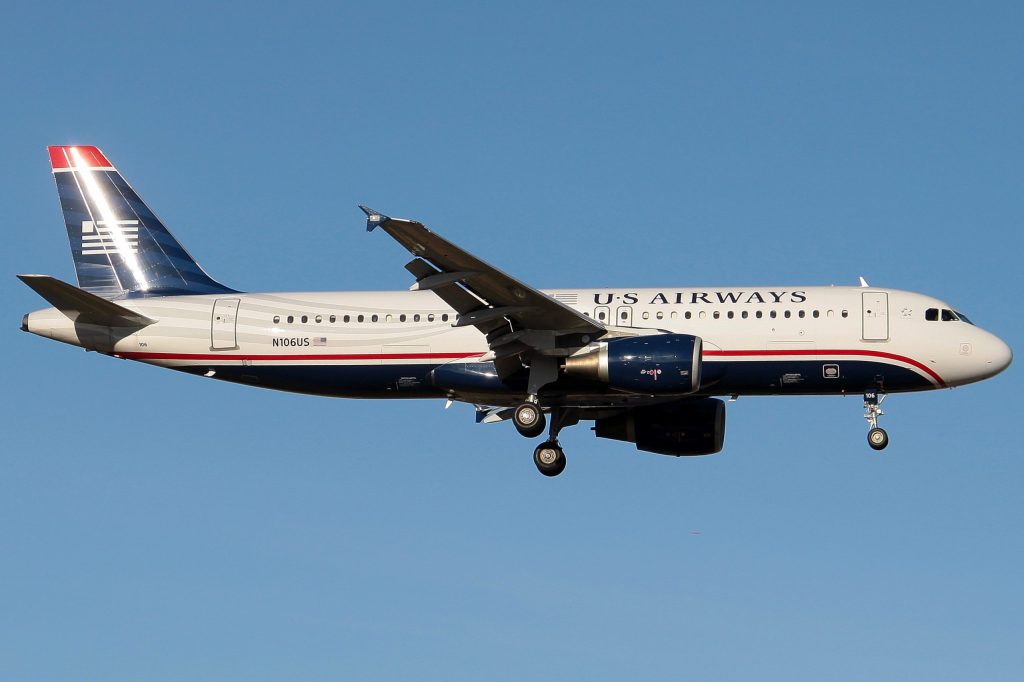
| Aircraft | Airbus A320 |
|---|---|
| Aircraft variant | Airbus A320-214, N106US |
| Flight number | 1549 |
| People who died | 0 |
| People on board | 155 |
| Were there survivors? | Yes |
| Phase of flight | Takeoff |
Official finding · National Transportation Safety Board (NTSB)
the ingestion of large birds into each engine, which resulted in an almost total loss of thrust in both engines and the subsequent ditching on the Hudson River; the NTSB credited the crew's decision-making and crew resource management, the aircraft's extended-overwater equipment, the cabin crew and the nearby rescue boats for everyone surviving.
More coverage
-
Air Crash Investigation
US Airways Flight 1549: The Bird Strike and the NTSB’s Findings
Questions and answers
Why did both engines of US Airways Flight 1549 fail?
The aircraft flew into a flock of migratory Canada geese at about 2,800 feet. The left engine swallowed at least two geese and the right engine at least one, and each bird weighed around 8 pounds, much more than the engines were certified to withstand. Both engines lost almost all thrust.
Could Flight 1549 have made it back to LaGuardia or Teterboro?
The NTSB ran simulator flights. To reach LaGuardia or Teterboro, the aircraft would have had to turn towards the airport immediately after the bird strike, with no time to recognise the problem and decide what to do. The one run that allowed a 35-second delay did not reach the runway. The NTSB concluded that ditching on the Hudson gave the highest probability that the accident would be survivable.
Was anyone hurt on Flight 1549?
No one died. One flight attendant and four passengers were seriously injured, and 95 people had minor injuries. Many passengers waited on the wings in freezing water before boats picked them up.
Why did everyone survive?
The NTSB credited the crew's decision-making and teamwork, the cabin crew's fast evacuation, the closeness of ferries and rescue boats, and the fact that the aircraft happened to be equipped for flights over water, with slide/rafts at the forward doors, even though this route did not require it.
What changed after the Miracle on the Hudson?
The NTSB's recommendations covered bird-strike certification standards for engines, training and checklists for losing both engines at low altitude, ditching procedures and certification, and cabin safety, including life vests, slide/raft stowage and passenger briefings. Read more in our guide to bird strikes.
Sources: The facts and written text on this page come from the 3 videos on this page, by Smithsonian Channel, Mentour Pilot, Air Crash Investigation.