Pan Am Flight 103: How a Tiny Fragment Traced the Lockerbie Bomb
The short version
A bomb hidden in a cassette player destroyed Pan Am Flight 103 over Lockerbie in December 1988, killing 259 people on board and 11 on the ground. This documentary follows the search of more than 2,000 square kilometres of wreckage, the clothing traced to Malta, the timer fragment traced to the Swiss company MEBO, and the Camp Zeist trial that convicted Abdelbaset al-Megrahi. It also covers doubts raised about the verdict and the 2022 arrest of Abu Agila Mas'ud.
Full written account
On 21 December 1988, Pan Am Flight 103 was destroyed by a bomb over Lockerbie, Scotland, killing all 259 people on board and 11 residents of the town. This documentary covers the bombing, the forensic investigation and the long legal case that followed, including the questions some families still raise.
The night in Lockerbie
Just after 7 pm, residents felt the ground shake and saw the sky light up. Burning fuel and wreckage fell on the Sherwood Crescent area, leaving a crater 47 m long. The nose section, bearing the name Maid of the Seas, lay in a field 4 km away. The cockpit voice recorder showed nothing abnormal: the crew were copying their oceanic clearance when it stopped at 19:02:50 after a loud bang.
The largest crime scene
The small Dumfries and Galloway police force, with officers from across Scotland and northern England, the military and thousands of volunteers, searched an area of more than 2,000 square kilometres; strong winds carried debris to the North Sea coast. On 26 December, AAIB investigators found pieces of a baggage container frame pitted and scorched by an explosion. On 28 December the disaster was declared a deliberate bombing.
At Farnborough the AAIB traced the blast to the lower left side of the forward hold. Only two containers, AVE 4041 and AVN 7511, showed blast damage, and investigators calculated the bomb held only a few hundred grams of plastic explosive. The video explains how shock waves reflected through the fuselage, so that the nose separated about three seconds after the explosion.
The flight
The 747, with 243 passengers from Frankfurt and London, pushed back from Heathrow at 18:04 and took off from runway 27R. Captain James MacQuarrie, First Officer Raymond Wagner and Flight Engineer Jerry Don Avritt were flying. At 31,000 ft over the Scottish border, the bomb exploded.
Tracing the bomb
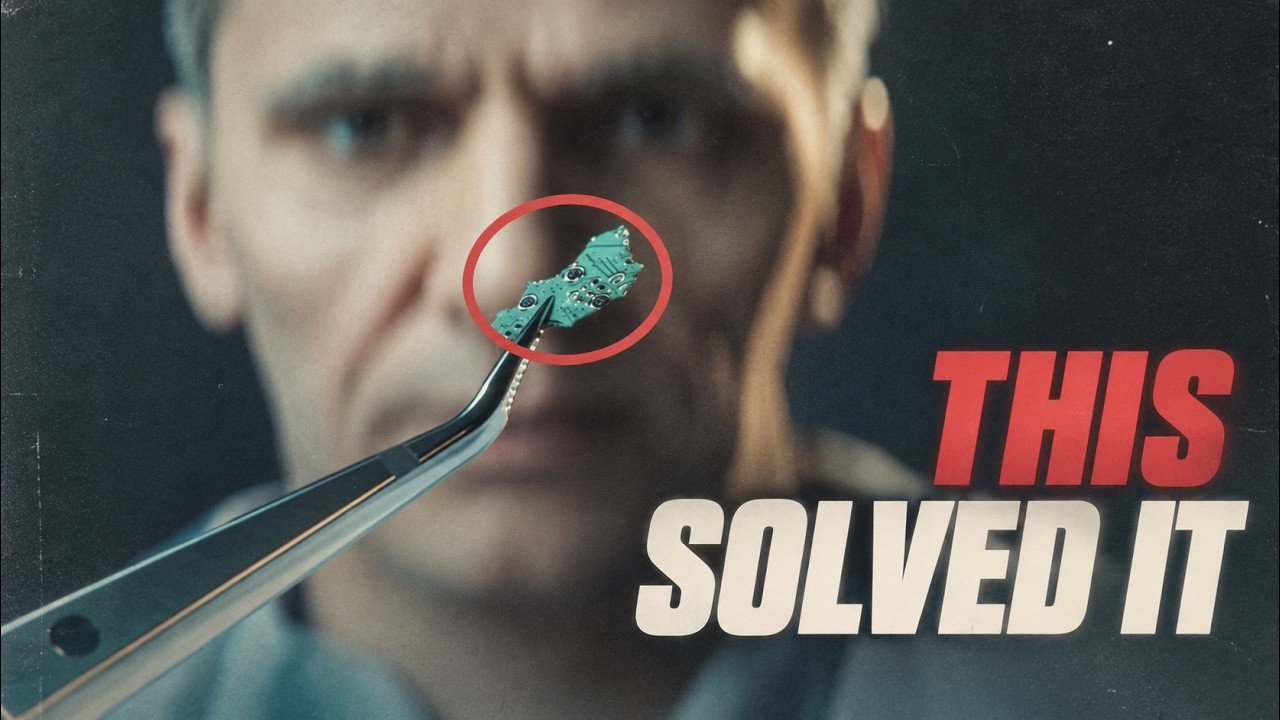
A fragment of circuit board in container AVE 4041 came from a Toshiba "Bombeat" radio-cassette player, and the bomb had been packed in a brown Samsonite suitcase. A burnt trouser label led detectives to Mary's House, a clothes shop in Malta, where owner Tony Gauci remembered a customer with a Libyan accent. Another tiny fragment, found in a shirt collar, was matched by FBI expert Tom Thurman to the MST-13 timer made by the Swiss company MEBO, which had supplied Libya. Frankfurt airport records showed an unaccompanied bag transferred from Air Malta Flight 180 to Pan Am Flight 103.
Investigators linked Abdelbaset al-Megrahi, a Libyan intelligence officer, to a coded passport in another name used to enter Malta the day before the bombing, and Lamin Khalifa Fhimah, Libyan Arab Airlines' station manager at Luqa Airport, to him.
Trial and verdict
Scotland charged both men in 1991. After years of sanctions, Libya agreed to a trial under Scottish law at Camp Zeist in the Netherlands, which opened in May 2000. On 31 January 2001, three judges convicted Megrahi and sentenced him to life; Fhimah was acquitted.
The video sets out doubts raised by Dr Jim Swire, whose daughter was killed: questions over Gauci's identification, the reliability of a CIA informant and testimony from MEBO's co-founder. Megrahi lost his first appeal; a review commission later allowed a second appeal, which he abandoned in 2009. He was released on compassionate grounds that year with terminal cancer and died in Libya in 2012. According to the video, Libya paid about $2.7 billion to the families but did not admit responsibility.
Pan Am and what followed
The FAA had required hand searches of unaccompanied bags, but the bomb suitcase travelled with no passenger. A US jury found Pan Am's security failures amounted to wilful misconduct, and the airline ceased operations in December 1991. In 2022 the United States arrested former Libyan agent Abu Agila Mas'ud, accused of building the bomb. A memorial cairn of 270 sandstone blocks stands at Arlington National Cemetery.
Questions this video answers
How many people died in the Lockerbie bombing?
270: all 259 people on board and 11 on the ground.
What kind of bomb was used?
It was hidden in a Toshiba Bombeat cassette player inside a brown Samsonite Silhouette 4000 suitcase, holding about 390 to 420 grams of plastic explosive.
Who was convicted?
Abdelbaset al-Megrahi was found guilty at Camp Zeist in 2001; Lamin Khalifa Fhimah was found not guilty.
Who was arrested in 2022?
The U.S. arrested ex-Libyan agent Abu Agila Mas'ud, accused of building the bomb.
Explore related events
Connected by the topic: Boeing 747