Pan Am Flight 103: How Investigators Proved a Bomb Over Lockerbie
The short version
This Mayday episode follows British air accident investigators and the FBI after Pan Am Flight 103 broke apart over Lockerbie in December 1988, killing 270 people. Pitted pieces of a luggage container proved a bomb, a reconstruction showed how a small charge destroyed a 747, and a fingertip-sized circuit board led to a Libyan-supplied timer. It ends with Megrahi's conviction and the finding that Pan Am had stopped matching bags to passengers at Heathrow.
Full written account
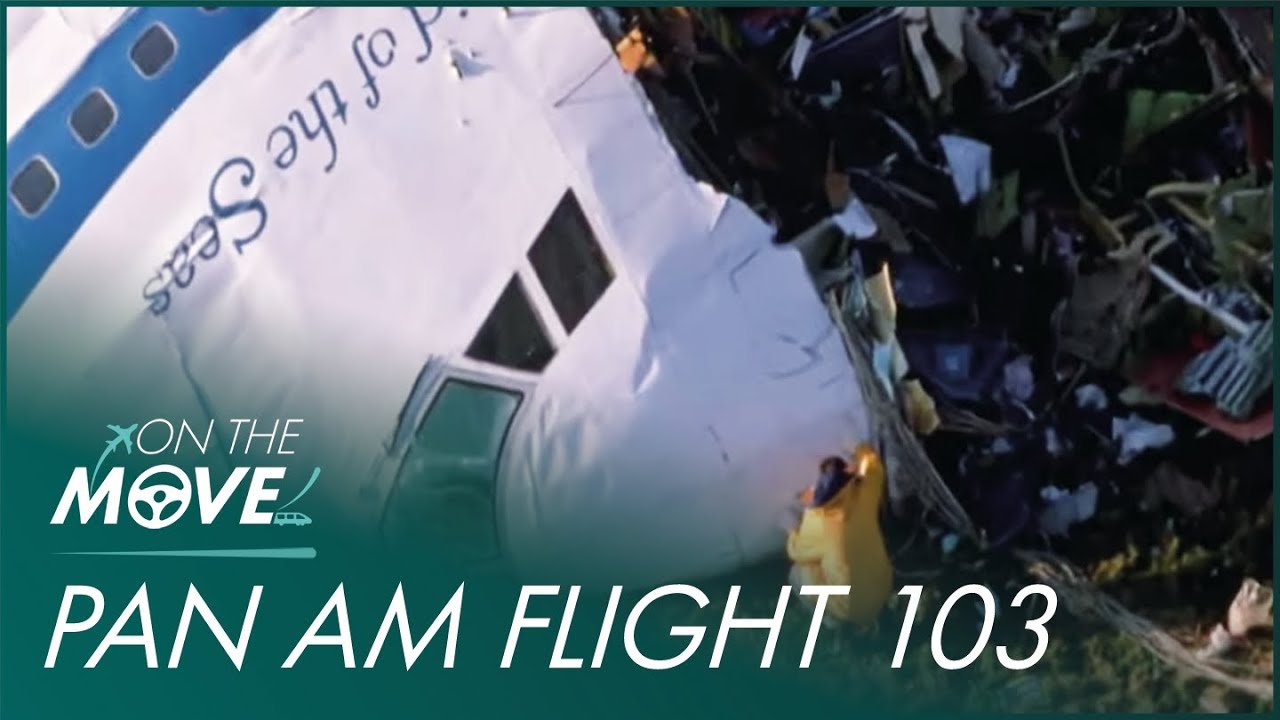
Pan Am Flight 103 broke apart over Lockerbie, Scotland, on 21 December 1988, killing all 259 people on board and 11 people on the ground. This Mayday episode follows lead AAIB inspector Mick Charles, FBI explosives expert Tom Thurman and others as they proved it was a bomb and traced it.
An earlier warning
Two months before the bombing, German police arrested members of a Palestinian group, the PFLP-GC, and found a radio wired as a bomb with a barometric trigger, designed to go off at altitude. It made that group an early suspect.
Lockerbie
Flight 103 left Heathrow with 259 people on board, most of them American, and levelled at 31,000 ft. Residents heard a noise like thunder, then saw burning wreckage fall on the town. The wing section, still carrying a heavy fuel load, struck the southern edge of Lockerbie, destroying houses and blasting out a huge crater. Eleven residents were killed.
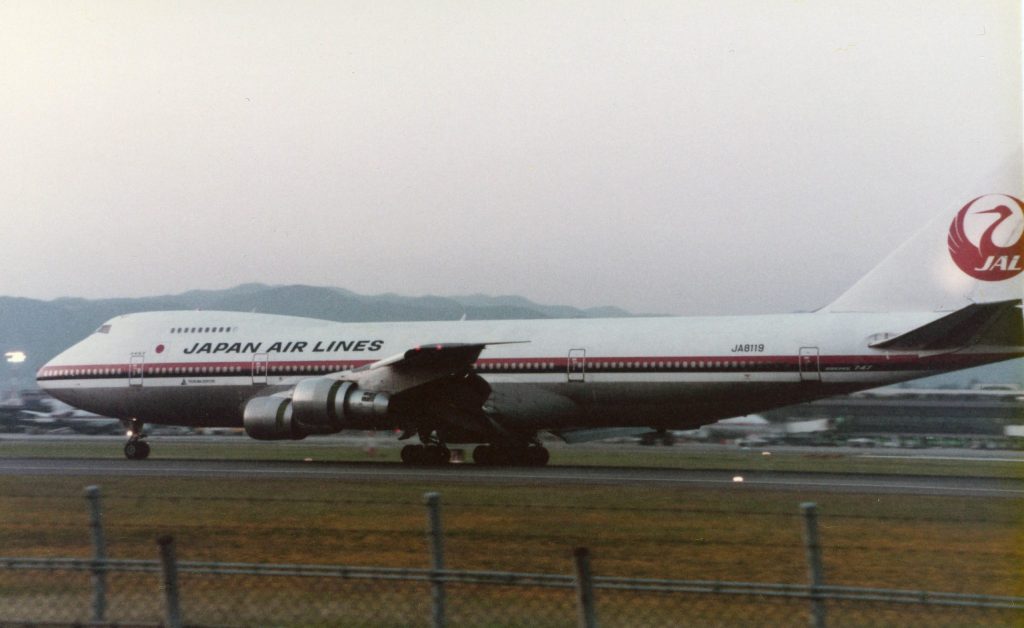
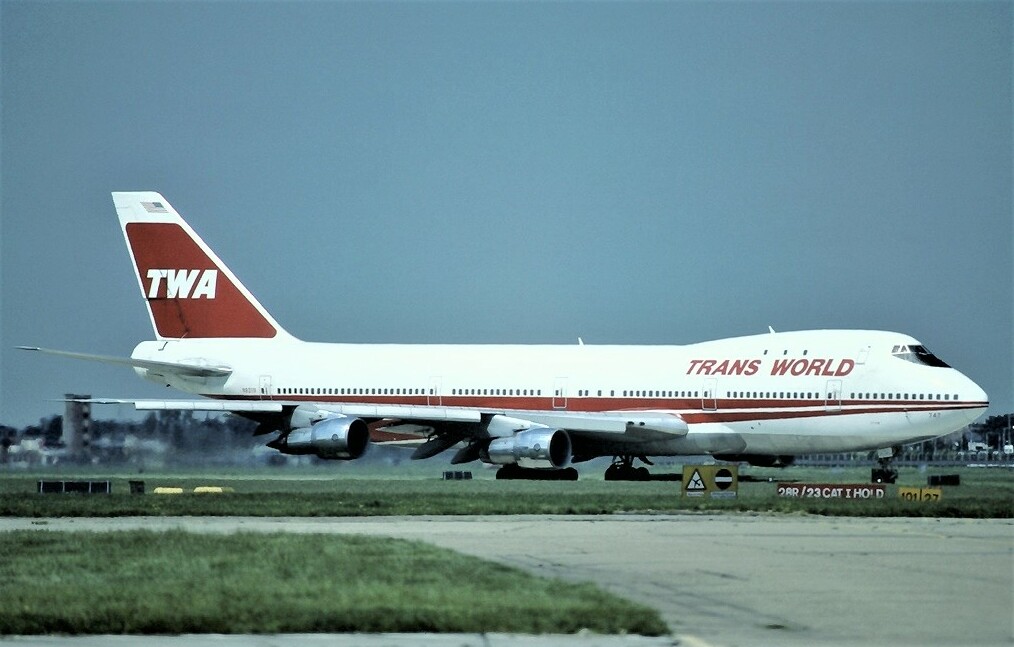
From a helicopter, investigators saw wreckage spread in a widening cone over more than 2,000 square kilometres. The nose lay several kilometres east of the town with the autopilot engaged and the oxygen masks stowed: everything in the cockpit was consistent with normal cruise. The aircraft, the 15th 747 built, was 18 years old, so structural failure had to be considered alongside sabotage.
Proving a bomb
On Christmas Eve a pitted piece of baggage container rail arrived at the investigators' base; a second piece was found in a farmer's field on Christmas Day. The pitting was the mark of hot explosive gases. On 28 December forensic scientists confirmed traces of high explosive, and the crash became a crime. Speculation about two passengers, a US government employee and a young man returning from Lebanon, was investigated and found to have no basis.
Rebuilding the aircraft
The AAIB laid out the fuselage on a grid in a hangar, then built a three-dimensional reconstruction at Farnborough. The blast damage centred near frame 700, just outside the forward hold. Of about 20 baggage containers, only two showed explosive damage, and the aluminium container AVE 4041 held the bomb, in a suitcase one level up from the floor. The reconstruction showed how a charge of less than half a kilogram tore a hole about 1.5 by 5 m, and how shock waves reflected inside the fuselage and burst through weaker areas far from the bomb.
A circuit board and a timer
A fragment of circuit board from AVE 4041 came from a Toshiba two-speaker radio-cassette player, a different model from the one seized in Germany. The bomb suitcase was a hard-sided Samsonite; clothes packed with it were sold only in Malta, by a shopkeeper who remembered a Libyan customer. Frankfurt records showed an unaccompanied bag from Malta routed to Heathrow and loaded into AVE 4041.
More than a year later, a second fragment, half the size of a thumbnail, was found among the clothes. Thurman matched it to a timer the CIA held from an arrest in Africa: a long-delay timer, not a barometric switch. The Swiss company MEBO had built 20 of them, all for Libya.
Verdict and Pan Am's role
Libyan intelligence officer Abdelbaset al-Megrahi was handed over for trial in 1999 and convicted by Scottish judges in 2001 of the murder of 270 people. According to the programme, Libya officially accepted responsibility in 2003 and paid $2.7 billion to the families. A Scottish inquiry found that Pan Am had stopped matching passengers and baggage at Heathrow, a rule introduced after the Air India bombing; the airline was found guilty of wilful misconduct and later went bankrupt. The reconstructed fuselage at Farnborough has since been used to train investigators.
Questions this video answers
How many people died?
All 259 people on board and 11 people on the ground in Lockerbie died, a total of 270.
What destroyed the plane?
A bomb hidden in a radio-cassette player inside a Samsonite suitcase in a cargo container.
Who was convicted?
Abdel Basset al-Megrahi, a Libyan intelligence officer, was sentenced to life in 2001.
What was Pan Am's role?
A Scottish inquiry found Pan Am had stopped passenger-baggage reconciliation at Heathrow; the company was found guilty of willful misconduct.
Explore related events
Connected by the topic: Boeing 747