Germanwings Flight 9525: Mayday on the Cockpit Recorder Evidence
The short version
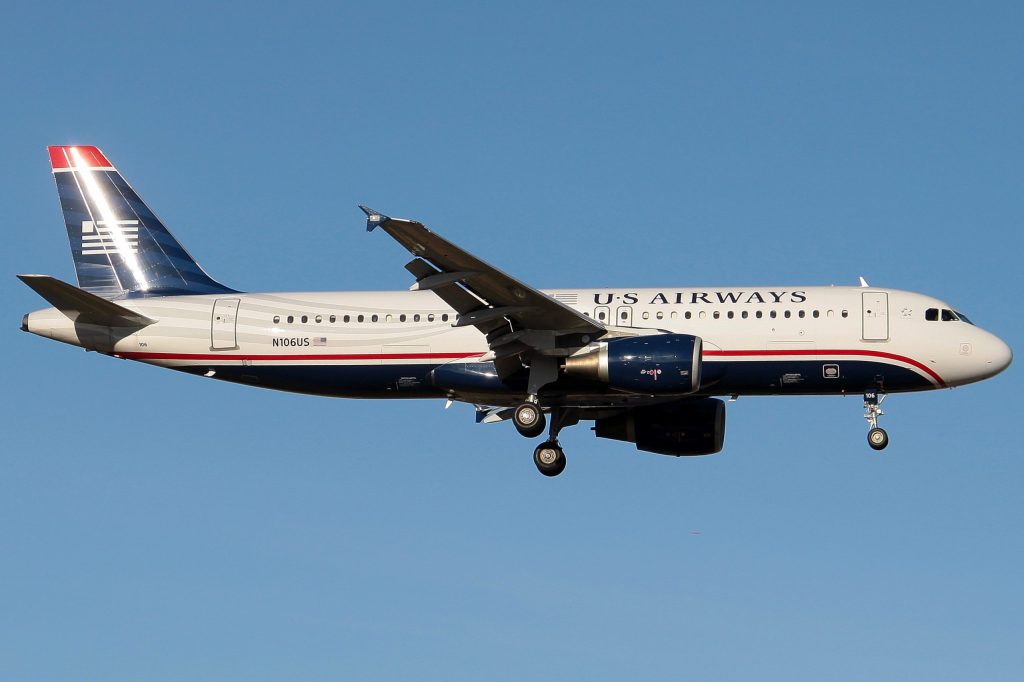
This Mayday episode follows the BEA's investigation into Germanwings Flight 9525, the Airbus A320 that crashed in the French Alps on 24 March 2015. It shows how investigators ruled out decompression and mechanical failure, what the cockpit voice recorder revealed about the locked door, and what was found about the co-pilot's medical history. All 150 people on board were killed.
Full written account
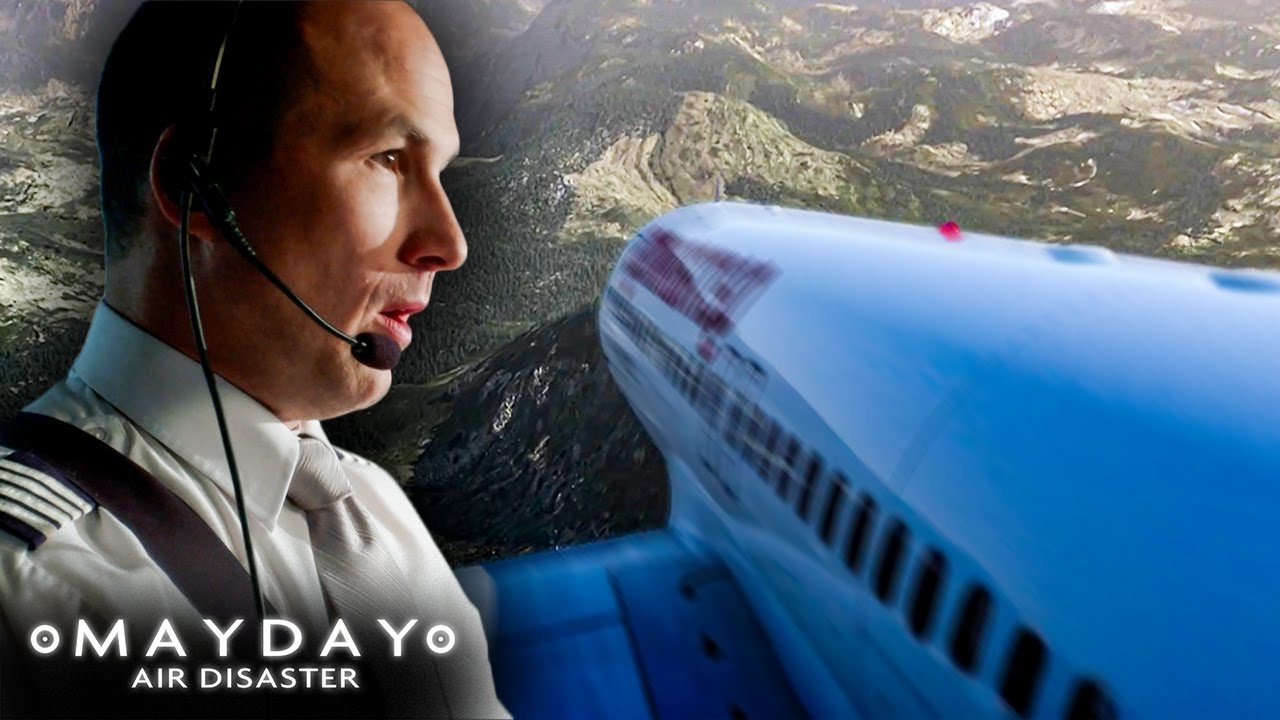
This Mayday episode reconstructs Germanwings Flight 9525 and the investigation that followed. It includes interviews with BEA investigators and with relatives of some of the 150 people who died, among them the family of opera singer Maria Radner.
A routine departure
The episode begins on a sunny morning at Barcelona Airport. Captain Patrick Sondenheimer, who had recently moved from Lufthansa, and First Officer Andreas Lubitz, who had been with the airline for just over a year, prepare the A320 for Düsseldorf. The aircraft takes off just after 10 a.m. and reaches 38,000 feet 27 minutes later.
A descent without a word
Air traffic control in Marseille notices the aircraft descending without permission and asks what altitude it is cleared to. There is no answer. The descent continues steadily, at up to 350 knots, for about 10 minutes, while controllers try again and again to reach the crew. The aircraft disappears from radar over the mountains.
Ruling things out
The BEA team, working from a makeshift operations centre near the crash site, studies the flight path and finds a straight, controlled descent. They consider a loss of cabin pressure, which can make a crew lose consciousness within seconds at that height, and look at the maintenance the aircraft had the day before. Searchers find the cockpit voice recorder on the first day, badly damaged but readable.
The recording
Investigators hear the captain leave the cockpit. For minutes there are no voices, but there is breathing, which shows the first officer is alive. They hear the buzzer to request entry and then knocking and blows on the door. Before the investigation is complete, the French prosecutor in charge of the separate criminal inquiry says publicly that the most likely explanation is that the co-pilot deliberately refused to open the door. The flight data confirms that the selected altitude was changed to 100 feet right after the captain left.
The co-pilot's history
The episode then turns to the co-pilot's medical records: a severe depression years earlier during his training, treatment, and a waiver on his medical certificate. In his apartment, investigators find a recent doctor's note declaring him unfit to work, which he had not passed to his employer. They also find that on the outbound flight from Düsseldorf that morning, while briefly alone in the cockpit, he had set the selected altitude to 100 feet several times. The episode calls this a rehearsal.
The BEA's conclusions
The episode ends with the BEA's call for clear rules telling doctors when they must put public safety ahead of medical confidentiality, and with relatives remembering the people they lost. For the full finding, see the official report linked on this page.
Questions this video answers
What flight was involved?
A320 operated by Germanwings, flying from Barcelona to Düsseldorf.
What did the flight data show?
The first officer, Andreas Lubitz, was alone in the cockpit after the captain left, set the altitude to 100 feet and was conscious and actively controlling the plane to the end.
What causes were ruled out?
Investigators found no evidence of a bomb, mechanical failure, severe weather or hypoxia from lost cabin pressure; the first officer was heard breathing.
How many died?
150 people died; there were no survivors.
What did the BEA recommend?
The BEA called for clear rules for health care providers, adjusting the line between public safety and personal information protection, and more stringent mental health evaluations for airline pilots.
Explore related events
Connected by the topic: Airbus A320